Spokane Rooter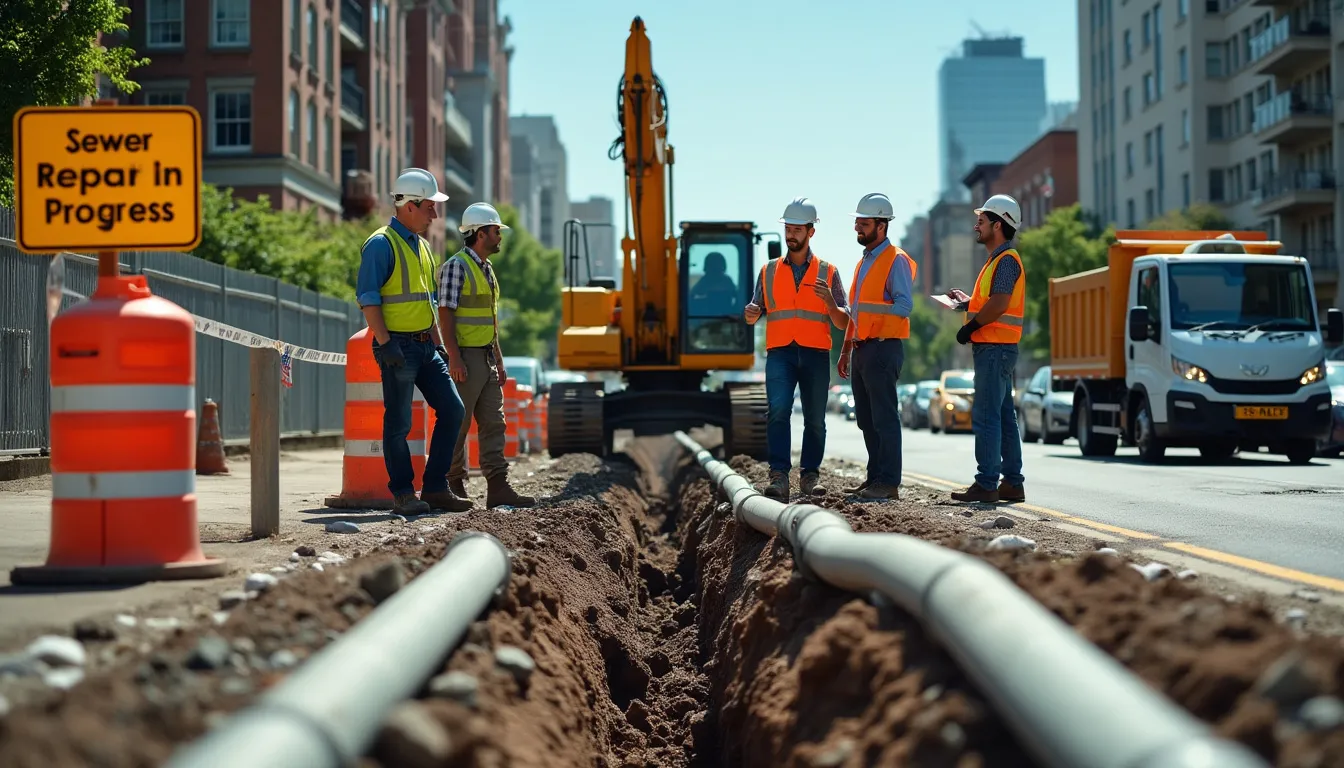
Essential Guide to Sewer Main Repair: What You Need to Know
Hey there! If you’ve found yourself on this page, chances are you’re either experiencing some plumbing woes or you’re keen on preventing any future headaches. Either way, you’re in the right place. Sewer main repair can seem like a daunting topic, but we’ve got the scoop to help you navigate through it with ease.
In this essential guide, we’ll break down everything you need to know about sewer main repair, from understanding the causes and signs of damage to exploring different repair methods and how to choose the right professional for the job. Trust us, by the end of this read, you’ll feel like a sewer main repair pro!
So, let’s dive in and get those pipes back to peak performance, shall we?
Understanding Sewer Main Repair: Causes and Signs of Damage
Common Causes of Sewer Main Issues
Owning a home comes with its fair share of responsibilities, and one of the critical systems that often gets overlooked is the sewer main. Understanding the common causes of sewer main issues can prepare you for any unexpected repairs. One leading cause of sewer main problems is blockages. Debris, grease, and even household items can accumulate over time, leading to slow drains and potential backups. However, it’s not just human-made waste that can cause problems. Tree roots are notorious for invading sewer lines, especially older ones, searching for moisture and nutrients.
Another significant cause of sewer main issues is pipe corrosion and age-related wear. Sewer pipes, like any other part of your home, have a lifespan. Depending on the material the pipes are made from, they can last anywhere from 50 to 100 years. Over time, these pipes can corrode or deteriorate, leading to leaks, breaks, and other damages that require immediate attention.
Signs You Need Sewer Main Repair
So, how do you know if you need a sewer main repair? One of the first indicators is slow drains. If you notice that all your sinks, tubs, and toilets are draining slower than usual, it could signal a problem with the main sewer line. Frequent backups are another red flag. While the occasional clog is normal, frequent blockages, especially those affecting multiple fixtures simultaneously, are a sign of a deeper issue.
Unpleasant odors are another telltale sign of sewer main problems. If you detect a foul smell coming from your drains or even your yard, it could be a sign that sewage is not flowing correctly and might be leaking somewhere along the line. Speaking of your yard, damp spots, especially if they persist even during dry spells, can indicate a leaking sewer pipe. These spots may also become lush unexpectedly due to the extra nutrients from the sewage, another sign of trouble below ground.
Understanding these common causes and identifying the signs early can save you a lot of trouble, and money, by addressing sewer main repair needs before they escalate into more significant problems. Keeping an eye on your home’s plumbing is a small but crucial step in maintaining its overall health and functionality.
Sewer Main Repair Methods: Traditional vs. Trenchless Techniques
When it comes to sewer main repair, understanding the different methods available is crucial. Each technique has its own set of advantages and disadvantages, and choosing the right one can save you time, money, and a whole lot of trouble. Here, we break down the traditional and Trenchless methods to give you a comprehensive view of your options.
Traditional Sewer Main Repair (Excavation)
The conventional method of sewer main repair involves excavation. This technique has been around for years and generally involves digging up the ground to expose the damaged pipe, removing the faulty section, and replacing it with a new one.
Steps Involved in Excavation and Pipe Replacement
The process usually begins with a thorough inspection to locate the troubled area. Once pinpointed, the next steps include:
- Marking the ground above the sewer line for safety considerations.
- Excavating the earth to reach the damaged pipe.
- Removing the broken or corroded section of the pipe.
- Swapping in a new pipe segment.
- Backfilling the trench and restoring the landscaping.
Although this method is time-tested and straightforward, it comes with its own set of pros and cons.
Pros and Cons: Higher Costs and Extensive Landscaping
You might be wondering why anyone would still opt for this labor-intensive and disruptive method. Well, there are some valid reasons.
Pros:
- Dependability: It’s a tried-and-true method for fixing severe issues.
- Thoroughness: Complete pipe replacement promises a fresh start with no hidden damages.
Cons:
- Higher Costs: Excavation is generally more expensive because it involves heavy machinery and extensive labor.
- Disruption: Your yard and driveway may need significant restoration after the job is done.
- Time-Consuming: The entire process can take several days to complete.
Given these considerations, many homeowners are now leaning towards less invasive methods like Trenchless sewer main repair techniques.
Trenchless Sewer Main Repair Techniques
Trenchless methods have revolutionized sewer main repair by minimizing the need for extensive digging. There are two primary Trenchless techniques that are particularly effective: pipe bursting and pipe lining. Let’s break down these methods.
Overview of Pipe Bursting and Pipe Lining Methods
Pipe Bursting: This method involves breaking the existing pipe and simultaneously laying a new pipe in its place. A bursting tool is threaded through the old pipe, breaking it apart while dragging a new pipe behind it.
Pipe Lining: Also known as cured-in-place pipe (CIPP), this technique involves inserting a flexible Liner coated with resin into the existing pipe. The Liner is inflated, pressing the resin into any cracks or holes, and cured to form a solid, seamless pipe within a pipe.
Both techniques are effective, but your choice will depend on the specific circumstances of your sewer main issue.
Benefits: Minimal Disruption and Quicker Completion
Trenchless sewer main repair techniques offer a plethora of benefits that make them an attractive option for many homeowners.
Minimal Disruption:
- Less Digging: Minimal excavation means that your yard, driveway, and landscaping remain mostly intact.
- Reduced Noise: Without heavy machinery at work, the noise level around your home is considerably lower.
Quicker Completion:
- Efficiency: Trenchless techniques often take much less time to complete compared to traditional methods.
- Less Labor-Intensive: With fewer steps involved, the need for extensive manual labor is significantly reduced.
It’s important to note that while these benefits make Trenchless methods highly appealing, not every situation is suitable for such techniques. Factors such as the extent of the damage and the material of the existing pipes will play a crucial role in determining the best repair approach.
With all this information in hand, you’re better equipped to evaluate which sewer main repair method is right for you. Whether you’re leaning towards traditional excavation or the more modern Trenchless techniques, understanding the pros and cons of each method can help you make a more informed decision.
Now that we’ve broken down the different repair methods, it’s time to think about the next logical step: hiring a professional. In our next section, we’ll explore how to choose the right contractor for your sewer main repair needs.
Choosing the Right Professional for Your Sewer Main Repair
Qualities to Look for in a Sewer Repair Contractor
So, you’ve figured out that you need a sewer main repair. The next step? Finding the right person for the job. Trust me, this isn’t a task you want to leave to just anyone. A few key qualities can make or break the effectiveness of your sewer main repair, so let’s dive into what you should look for in a Sewer Repair contractor.
Licensing, Certifications, and Experience
The first thing you want to ask any potential contractor is whether they’re licensed and certified. These credentials ensure that they have the necessary training and are up-to-date on local regulations and building codes. Think of it as the contractor’s seal of approval, vouching for their skills and expertise.
No matter how shiny a Company‘s website looks, nothing beats real-world experience. Ask how long they’ve been in business and how many sewer main repairs they’ve completed. A veteran contractor will likely have seen it all and will be better equipped to handle unexpected complications.
Customer Reviews and Testimonials
Word of mouth is still one of the best ways to gauge the reliability of a contractor. Check out online reviews and testimonials to see what previous customers have to say. Look for recurring themes—both good and bad. If multiple reviews mention prompt service and excellent communication, that’s a good sign. Conversely, if numerous people complain about missed deadlines or poor workmanship, take that as a red flag.
Questions to Ask Before Hiring
Okay, you’ve narrowed down your list of potential contractors. What next? It’s time to ask some essential questions that can help you make your final decision.
Estimated Costs and Timeline for Project Completion
Let’s face it: sewer main repair can be a significant investment. Before signing any contracts, get a detailed estimate. Be wary of any quote that seems too good to be true—it probably is. A reliable contractor will provide a breakdown of costs and explain what each part covers. Don’t forget to ask about any potential additional charges that may arise during the project.
Equally important is knowing how long the project will take. While it’s understandable that some factors are beyond the contractor’s control, such as weather conditions, you should still get an estimated timeline. A good contractor will give you a realistic timeframe and stick as closely to it as possible, keeping you updated throughout the process.
Warranty and Service Guarantees for the Repair Work
You wouldn’t buy a car without a warranty, and the same logic applies to your sewer main repair. Always inquire about the warranties and service guarantees provided. These warranties are a safety net ensuring that if something goes wrong shortly after the repair, you’re covered. It speaks volumes about the contractor’s confidence in their workmanship and the materials they use.
Wrapping it up, finding the right professional for your sewer main repair doesn’t have to be daunting. Focus on licensing and experience, pay close attention to customer feedback, and don’t hesitate to ask all the necessary questions before hiring. This way, you can ensure that you’re making a well-informed decision, and your sewer main repair will be in the best hands possible.
Getting it right the first time saves you future headaches and additional costs, making your home and sewer system run smoothly again. And who doesn’t want that?
Wrapping It Up: The Takeaway on Sewer Main Repair
So, we’ve covered quite a bit of ground in this essential guide to sewer main repair. From understanding the common causes and signs of damage to exploring the various methods of repair, it’s clear that sewer main issues are no small matter. The decision between traditional excavation and innovative Trenchless techniques can significantly impact not only the cost but also the convenience and duration of your repair project.
Remember the Signs
As we’ve discussed, early detection is crucial in avoiding extensive damage and expensive repairs. Keep an eye out for slow drains, bad odors, and unexpected damp spots in your yard. Acting promptly at the first sign of trouble can save you a lot of stress and money down the line.
Choose Wisely
When it’s time to choose a professional for the job, don’t settle. Look for a licensed and experienced contractor with glowing reviews and solid testimonials. Ask the right questions about costs, timelines, warranties, and service guarantees to make sure you’re getting the best value for your investment.
The Final Flush
Sewer main repairs might not be glamorous, but understanding the essentials can make the process much smoother and less daunting. Armed with this knowledge, you can tackle any sewer main issue with confidence, ensuring that your plumbing runs smoothly and efficiently for years to come. Here’s to a hassle-free home, one flush at a time!