Spokane Rooter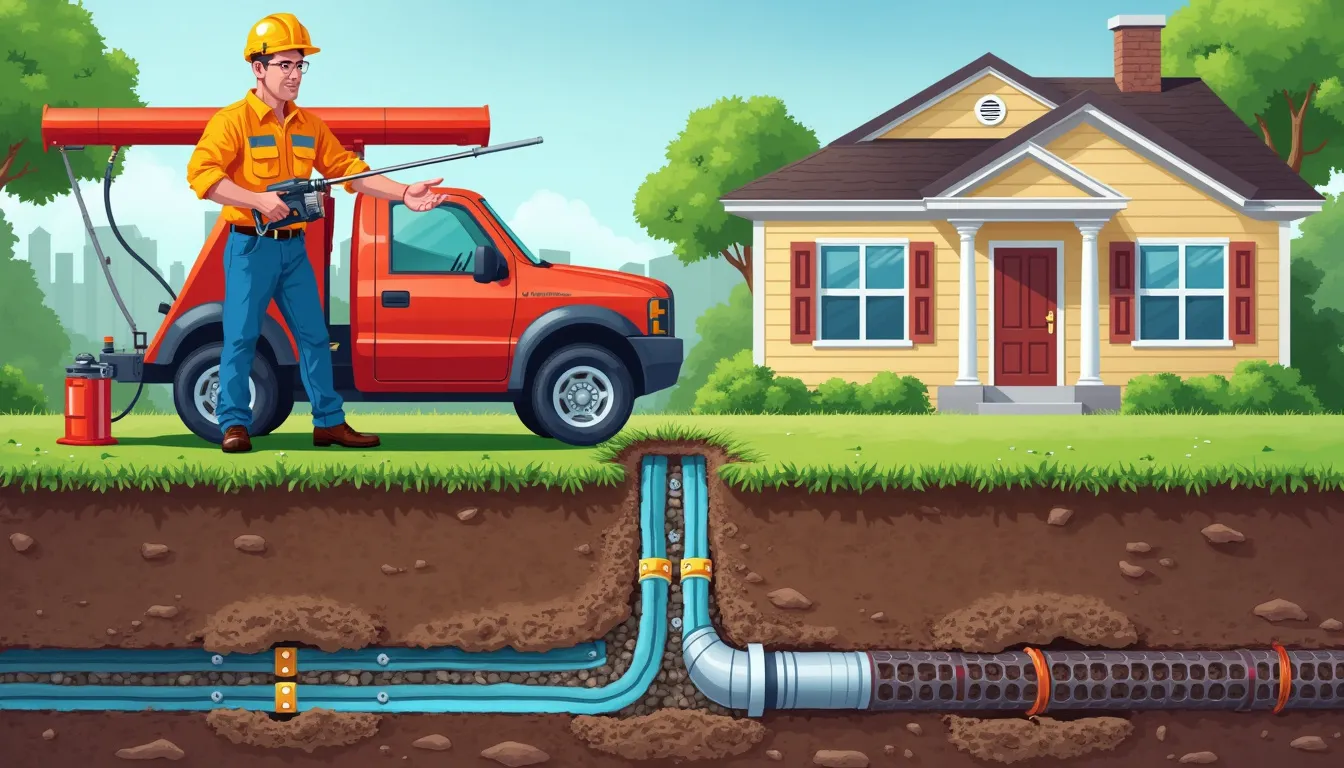
Trenchless repair, pipe bursting, pipe relining>
Effective Methods to Repair Sewer Lines
Understanding Sewer Line Problems: Causes and Symptoms
Dealing with sewer line problems can be a daunting task, but understanding the root causes and symptoms is the first step toward effective repair. Common culprits for sewer line damage include tree root intrusion, pipe corrosion, blockages, and ground shifting. Tree roots can penetrate pipes searching for moisture, while corrosion weakens the pipe structure over time. Blockages from grease, foreign objects, or buildup can also cause significant issues, as can ground shifting or settling that misaligns pipes.
Symptoms of damaged sewer lines are often hard to miss. You might notice slow drains, gurgling toilets, or even foul odors wafting from your plumbing fixtures. In more severe cases, sewage backups can occur, creating unsanitary conditions in your home. Early detection of these symptoms is crucial in preventing extensive and costly repairs down the line.
Traditional vs. Modern Sewer Line Repair Techniques
When it comes to repairing sewer lines, there are both traditional and modern methods available. Traditional repair techniques typically involve open trench excavation, which, while effective, can be disruptive and time-consuming. This method requires digging a trench to access the damaged pipe, making it labor-intensive and often expensive.
In contrast, modern repair techniques like Trenchless sewer line repair are minimally invasive. Methods such as pipe bursting and pipe relining allow for the repair of damaged sections without extensive digging. These techniques are often quicker, less disruptive, and can be more cost-effective in the long run.
Choosing between traditional and modern methods depends on various factors, including the extent of the damage, the location of the sewer line, and budget considerations. Each method has its pros and cons, but understanding them can significantly affect the repair process’s efficiency and effectiveness.
Choosing the Right Sewer Line Repair Solution for Your Home
Finding the best solution for repairing your sewer line involves a thorough assessment of the situation. Start by evaluating the extent of the damage. For minor issues, modern techniques like Trenchless repair might be ideal. However, extensive damage may still require traditional methods.
Hiring a qualified plumbing professional or sewer line specialist is crucial. Their expertise can provide a comprehensive diagnosis and recommend the most suitable repair method. Ensure you consider factors such as the age of your pipes, the severity of the damage, budget constraints, and the potential environmental impact of each repair option.
With the right approach and professional guidance, you can effectively repair your sewer line and mitigate future issues, ensuring your plumbing system’s long-term health.
Understanding Sewer Line Problems: Causes and Symptoms
Common Causes of Sewer Line Damage
Before diving into effective methods to repair sewer lines, it’s crucial to understand what causes these problems in the first place. One of the most common culprits is tree root intrusion. Trees naturally seek out moisture, and sewer lines provide a constant source of hydration. Over time, roots can grow into the pipes, causing blockages and severe damage.
Another frequent issue is pipe corrosion. Sewer lines, especially older ones made from materials like cast iron, can corrode over time. This corrosion weakens the pipe walls, leading to cracks and eventual breaks. Similarly, blockages caused by debris, grease, or improper disposal of non-flushable items can also wreak havoc on your sewer lines. A severe blockage can cause pressure to build up, which might result in a burst pipe.
Ground shifting due to natural geological processes or construction activities is another factor to consider. When the earth around your sewer lines shifts, it can bend, crack, or even rupture the pipes. Knowing these common causes can help you identify potential risks and take preventive measures
Symptoms of Damaged Sewer Lines
Recognizing the symptoms of damaged sewer lines early can save you from extensive and costly repairs down the road. One of the first signs is slow drains. If your sinks, bathtubs, or showers are draining more slowly than usual, this could indicate a blockage or damage in the sewer line.
Gurgling toilets are another red flag. When your toilet gurgles or makes strange noises, it’s often a sign that there is trapped air in the plumbing system due to a blockage. Foul odors emanating from your drains or yard can also point to sewer line issues. These smells are often caused by sewage leaking out of the pipes and into your property.
Perhaps the most obvious symptom is sewage backups. If you notice sewage backing up into your sinks, toilets, or tubs, you likely have a major problem that needs immediate attention. Such backups are not only inconvenient but also pose serious health risks.
The Importance of Early Detection
Early detection of sewer line problems is crucial in preventing extensive damage and costly repairs. The longer a problem goes unnoticed, the worse it can get. For example, a minor blockage can eventually lead to a full-scale pipe burst if not addressed promptly.
Detecting issues early allows you to take less invasive actions, thereby saving time, money, and stress. Regular inspections and being attentive to the symptoms can go a long way in maintaining the health of your sewer system.
In summary, understanding the common causes and symptoms of sewer line problems is the first step in effective repair. By recognizing issues early, you can minimize damage and avoid extensive repairs, making your sewer line system more reliable and efficient.
Traditional vs. Modern Sewer Line Repair Techniques
Traditional Repair Methods: Open Trench Excavation
When most people think about sewer line repair, the image that often comes to mind is a messy, disruptive process involving heavy machinery and dug-up yards. This traditional method, known as open trench excavation, has been used for many years. Essentially, it involves digging up the ground above the damaged sewer line to expose and then repair or replace the problematic section of the pipe.
Pros and Cons of Open Trench Excavation
The primary advantage of open trench excavation is its effectiveness. By directly accessing the damaged pipe, plumbers can clearly identify the issue and ensure that the repair is thorough and accurate. Additionally, this method can be less costly in terms of materials since it uses standard piping and connectors.
However, the cons are significant. Open trench excavation is incredibly disruptive to your property. Your yard, driveway, and even sidewalks may need to be excavated, leading to a lot of mess and potential landscaping costs. Moreover, this method can be very time-consuming, especially if the sewer line is difficult to access. It often requires several days to complete, during which your home’s sewer system might be out of commission. Finally, while the labor might be straightforward, it can be labor-intensive, driving up the total cost due to the man-hours required.
Modern, Less Invasive Techniques
Fortunately, advancements in plumbing technology have led to the development of less invasive methods for repairing sewer lines. Among the most popular modern techniques are Trenchless sewer line repair, pipe bursting, and pipe relining. These methods aim to minimize disruption to your property while providing a durable and long-lasting solution.
Trenchless Sewer Line Repair
Trenchless sewer line repair is a game-changer in the plumbing industry. As the name suggests, it avoids the need for extensive digging. Instead, it involves only a few small access points to reach the damaged sewer line. The repair itself can vary but often involves inserting a new Liner within the existing pipe, effectively creating a new pipe within the old one.
Pipe Bursting
Pipe bursting is another Trenchless method. This technique entails breaking the old, damaged pipe apart while simultaneously pulling a new pipe into place. A bursting head is inserted into the existing pipe and driven outward, fracturing the old pipe as it progresses. As it moves, the new pipe is drawn into the space left by the old pipe, resulting in a seamless, modern sewer line replacement.
Pipe Relining
Pipe relining, similar to the Trenchless method mentioned earlier, involves creating a new pipe within the old one. A flexible, resin-coated tube is inserted into the damaged pipe. The tube is then inflated, pressing the resin coating against the damaged pipe’s interior. Once the resin cures and hardens, it forms a strong new pipe within the old one, sealing any cracks or breaks and providing a smooth, durable lining.
Comparing Cost, Time, and Effectiveness
When it comes to cost, Trenchless methods can be more expensive upfront compared to traditional open trench excavation. However, it’s essential to consider the overall costs, including property restoration and landscaping. Trenchless repairs often result in lower total expenses when you factor in the minimal disruption to your yard and the time saved.
In terms of time, Trenchless techniques typically win out. Most modern methods can be completed in a fraction of the time needed for traditional excavation. Instead of days of noisy digging and limited access to your sewer system, Trenchless repairs can often be finished within hours.
Effectiveness is another crucial aspect to consider. Both traditional and modern methods are highly effective, but Trenchless techniques have an edge when it comes to longevity and durability. The materials used in Trenchless repairs are designed to be long-lasting, often with warranties that can span several decades. Additionally, the smooth interior of relined pipes can help prevent future blockages, further enhancing your sewer system’s performance.
Making the Right Choice
It’s clear that while traditional open trench excavation has its merits, modern, less invasive sewer line repair methods offer significant advantages in terms of cost, time, and effectiveness. Whether you’re facing a minor issue or a significant sewer line problem, considering Trenchless techniques like pipe bursting and pipe relining could save you time, money, and a whole lot of hassle.
So next time you’re in a situation where you need to repair sewer lines, think about exploring these modern methods. Your yard – and your wallet – will thank you!
Choosing the Right Sewer Line Repair Solution for Your Home
Assessing the Extent of Damage
Before diving into the different methods to repair sewer lines, it’s crucial to assess the extent of the damage. This isn’t something you should DIY unless you have specific expertise. The first step is usually a professional sewer camera inspection. A plumbing professional will run a camera through your sewer lines to get a clear view of what’s causing the issue. Whether it’s tree roots, corrosion, or a simple blockage, this inspection will give you an accurate diagnosis so you can make an informed decision on how to proceed.
Understanding the exact issue helps determine the specific repair sewer method needed. For instance, minor cracks may just need pipe relining, while more severe cases like collapsed pipes might require pipe bursting or even open trench excavation. Knowing the extent of the damage allows for a focused and effective repair, saving both time and money.
Hiring a Qualified Plumbing Professional
Choosing the right person or Company to repair sewer lines in your home is vital to ensure the job gets done correctly. You want someone with a proven track record and relevant experience. Start by checking online reviews and asking for recommendations from friends and family. A qualified plumbing professional or sewer line specialist should have the necessary certifications and insurance.
Don’t hesitate to ask potential candidates about their experience with modern Sewer Repair techniques like Trenchless repair, pipe bursting, and pipe relining. These methods require specialized training, so it’s crucial your selected professional is well-versed in them. Additionally, always ask for a written estimate that includes a detailed breakdown of costs and the projected timeline for the repair work.
Checklist for Selecting a Repair Method
When it’s time to choose between various methods to repair sewer lines, several factors should influence your decision:
-
Age of the Pipes:
Older pipes can be fragile and might not withstand certain repair techniques. For instance, if you have a historic home, Trenchless methods might be less damaging than traditional excavation.
-
Extent of the Damage:
Minor cracks or isolated problems may be best addressed with pipe relining, while extensive damage might require more rigorous solutions like pipe bursting or open trench excavation.
-
Budget Constraints:
Your budget will play a significant role. Traditional methods like open trench excavation can be more labor-intensive and costly. However, modern techniques like Trenchless repair can be more cost-effective in the long run despite a higher initial outlay.
-
Environmental Impact:
If sustainability is vital to you, Trenchless methods are generally more environmentally friendly. They cause minimal disruption to the surrounding landscape and require less restoration work after the repair is complete.
-
Time:
How quickly do you need the repair completed? Traditional methods take longer due to the need for extensive digging and causing significant disruption. On the other hand, modern techniques like Trenchless repair can often be completed in a fraction of the time.
The Final Decision
Making the right choice to repair sewer lines in your home hinges on a thorough assessment, hiring the right professional, and carefully considering various influencing factors. It’s always better to opt for a method that provides a long-term solution rather than a quick fix. While modern methods are often more appealing due to their less invasive nature and quicker turnaround times, sometimes traditional methods might be necessary, particularly in cases of severe damage.
Ultimately, the decision comes down to understanding your unique situation, the conditions of your pipes, and balancing cost with effectiveness and environmental impact. Consulting with a qualified plumbing professional will provide you with the best insight and options available for your specific case.
Choosing the appropriate method to repair sewer lines is a critical step in maintaining the integrity and functionality of your home’s plumbing system, ensuring peace of mind for years to come.
Conclusion
Sewer line problems can be a homeowner’s nightmare, but understanding the causes and symptoms of damage is the first step toward getting them repaired effectively. From tree root intrusion to pipe corrosion, various factors can compromise your sewer system. Identifying issues early—before slow drains, sewage backups, and foul odors wreak havoc—can save you significant time, money, and stress.
Embracing Modern Repair Techniques
Traditional repair methods like open trench excavation have their merits but often come with higher costs and inconveniences. Modern, Trenchless techniques such as pipe bursting and pipe relining offer less invasive and often more effective solutions. These methods can save both time and money while minimizing disruption to your property.
Making the Right Choice
When faced with sewer line issues, it’s crucial to assess the damage accurately and choose the most suitable repair method. This might involve consulting a specialized sewer line professional and taking into account various factors—from the age and material of your pipes to budget constraints and environmental considerations. Armed with this knowledge, you can make an informed decision that balances cost, efficiency, and long-term effectiveness.
In conclusion, maintaining a functional sewer line is key to a healthy home environment. By staying vigilant and opting for the right repair techniques, you can ensure the longevity and reliability of your sewer system. Should you encounter problems, don’t hesitate to reach out to experienced professionals who can guide you through the repair process with expertise and care. Remember, an ounce of prevention is worth a pound of cure, and early detection and repair can save you substantial future headaches.