Spokane Rooter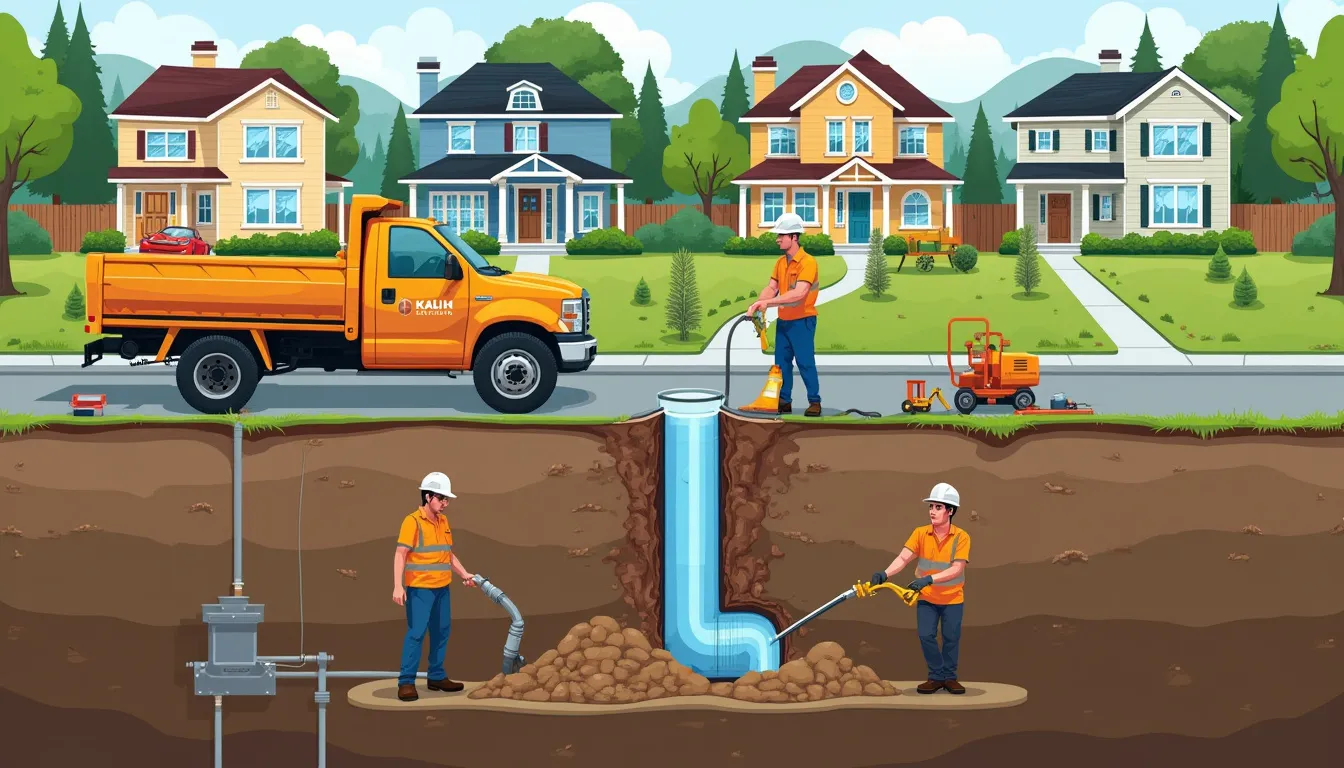
Introduction to Sewer Line Leak Repair Costs
Addressing sewer line leaks promptly can save you from untold headaches and potentially higher expenses down the line. Imagine dealing with sewage backup in your home or yard—it’s not just a hygiene issue but also hugely inconvenient. So, what is the sewer line leak repair cost and what should you know about it?
Several factors contribute to the overall cost of repairing a sewer line leak, and these can vary significantly from one situation to another. From the extent and location of the leak to the type of material your sewer line is made of, a multitude of elements come into play. You’ll also need to consider how accessible your sewer line is, as well as local labor costs and any necessary permits.
In this article, we’ll walk you through the essential aspects that influence sewer line leak repair costs. We’ll break down the main factors affecting the cost, weigh the benefits and drawbacks of repair versus replacement, and share key insights to help you make the best decision for your situation.
Introduction to Sewer Line Leak Repair Costs
When it comes to home maintenance, few issues are as critical as dealing with sewer line leaks. Ignoring a sewer line leak can lead to severe consequences, including costly property damage, health hazards, and environmental concerns. Addressing these leaks promptly is not just a matter of convenience; it’s a necessity that ensures the well-being of your home and the safety of its inhabitants. But before diving into repairs, you might be wondering about the cost of sewer line leak repair. That’s a great question, and one that we’ll tackle comprehensively in this article.
Sewer line leak repair cost can vary widely, with several factors playing into the final expense. Understanding these factors can help you prepare financially and make informed decisions. From the extent and location of the leak to the materials used and the accessibility of the sewer line, each element has a significant impact on the overall cost. Additionally, local labor rates and permit requirements can influence how much you’ll end up spending on repairs.
In this article, we’ll break down the various elements that contribute to the overall cost of sewer line leak repair. We’ll cover the primary factors affecting the costs, compare different repair scenarios, and provide insights into whether repair or replacement is the best option for your specific situation. By the end, you should have a clearer understanding of what to expect and how to budget for any necessary repairs. So, let’s dive in and explore all there is to know about sewer line leak repair costs!
Factors Affecting Sewer Line Leak Repair Cost
When it comes to understanding the sewer line leak repair cost, several factors come into play, each significantly influencing the overall expense. Here’s a deep dive into those essential considerations.
Extent and Location of the Leak
The first and most obvious factor impacting the sewer line leak repair cost is the extent and location of the leak. If the leak is minor and easily accessible, the cost will naturally be lower. However, more extensive leaks that affect a larger section of the sewer line will require more labor and materials, driving up the cost. Additionally, leaks located under key areas such as driveways, foundation slabs, or landscaped yards can add complexity to the repair process, further increasing costs.
Type of Sewer Line Material
The material from which your sewer line is made also plays a crucial role in determining the sewer line leak repair cost. Sewer lines can be constructed from various materials, including:
- PVC
- Clay
- Cast Iron
- Concrete
- Orangeburg (bituminized fiber)
PVC tends to be the least expensive and easiest to repair or replace, whereas older materials like clay and cast iron can be more costly. Cast iron, in particular, is more challenging to work with and often requires more specialized tools and labor.
Accessibility of the Sewer Line
How easily accessible your sewer line is can significantly impact the sewer line leak repair cost. If the sewer line is located deep underground or beneath structures like driveways or buildings, reaching it will require more labor and potentially specialized machinery. On the other hand, if the sewer line is easily accessible, the repair process is more straightforward, reducing labor costs.
Cost of Labor and Necessary Permits
Labor costs can vary significantly depending on your location. Urban areas generally have higher labor rates than rural ones. Additionally, you may need to obtain permits for excavating or performing significant plumbing work, which adds to the overall sewer line leak repair cost. These permits help ensure that the repair meets local codes and regulations but can add an additional layer of expense and paperwork.
Comparison of Typical Cost Ranges Based on Different Repair Scenarios
To give you a more concrete idea of how these factors affect the overall cost, here are some typical cost ranges based on different repair scenarios:
Minor, Easily Accessible Leak in a PVC Pipe
Costs can range from $500 to $1,000. These repairs are straightforward, requiring minimal labor and materials.
Moderate Leak in a Cast Iron Pipe Under a Lawn
This scenario might set you back between $1,500 and $3,000. The nature of cast iron material and the need for specialized labor contribute to the cost.
Extensive Leak Underneath a Driveway
For more complex scenarios like this, costs can soar between $3,000 and $7,000. The labor required to excavate beneath the driveway and repair or replace the damaged section significantly raises the sewer line leak repair cost.
Massive Leak Affecting Entire Sewer Line System
If the entire sewer line needs to be replaced due to extensive damage, you could be looking at a range of $7,000 to $25,000, depending on the length of the sewer line, the material used, and the complexity of excavation and replacement.
Clearly, understanding the various factors that influence the sewer line leak repair cost is crucial for homeowners. Each case is unique, and the total expense will depend on multiple variables, from the type of material used to the accessibility and location of the leak. When considering repair options, it’s essential to weigh these factors carefully to make the most cost-effective decision.
Cost-Benefit Analysis: Repair vs. Replacement
When confronted with a sewer line issue, one of the most pressing decisions homeowners face revolves around whether to repair the existing line or replace it entirely. Understanding the sewer line leak repair cost while weighing it against replacement expenses can make a significant difference both financially and in terms of long-term home maintenance. Let’s delve into scenarios where repair is more advantageous, the benefits of timely interventions, and real-life examples that highlight the importance of making an informed decision.
Repair vs. Replacement: When Repair is More Cost-Effective
Repairing a sewer line can often be more cost-effective than replacing it, especially when the damage is localized or relatively minor. For example, if a small section of the pipe is cracked due to age or tree root intrusion, a targeted repair can save time and money compared to a full system overhaul.
Factors that can make repair a more appealing option include:
- Localized damage: Issues confined to a small area of the pipe can usually be repaired quickly and at a lower cost.
- Modern repair techniques: Methods such as Trenchless repair (pipe lining and pipe bursting) can address leaks without extensive digging, reducing both labor costs and the disruption to your property.
- Material durability: Some modern materials and repairs, such as epoxy linings, provide long-lasting solutions that can extend the life of your existing sewer line without the need for complete replacement.
The Long-term Benefits of Addressing Sewer Line Issues Early
Addressing sewer line issues promptly offers numerous benefits beyond the immediate sewer line leak repair cost. Timely repairs can prevent minor issues from escalating into major, more expensive problems. For instance:
- Prevention of extensive damage: A small leak, if left unchecked, can erode surrounding soil, compromise the structural integrity of your property, or lead to significant lawn and landscape damage.
- Health and safety: Leaking sewer lines can cause unsanitary conditions, potentially leading to health hazards such as mold growth and unpleasant odors.
- Cost savings: Early interventions typically mean lower repair costs and avoid the need for emergency services, which can be significantly more expensive.
Investing in regular inspections and addressing minor issues promptly can ultimately save you substantial amounts in potential future expenses. Additionally, keeping your sewer line in good working condition can enhance your property’s value should you decide to sell your home.
Case Studies: The Financial Impact of Timely Repairs vs. Replacement
To illustrate the practical implications of timely repairs versus replacement, let’s consider a few real-life scenarios:
Case Study 1: The Buried Treasure
A homeowner in a suburban neighborhood noticed slow drainage and occasional backups. A detailed inspection revealed a small crack in a PVC sewer line caused by shifting soil. The cost for repairing the isolated crack using Trenchless technology was around $3,000. Had the issue been neglected, it could have resulted in soil erosion and a full pipe replacement costing upwards of $15,000.
Case Study 2: The Tree Root Intruder
Another homeowner faced recurring backups due to tree roots infiltrating their clay sewer line. Initially, they opted for hydro-jetting and partial Pipe Relining to resolve the leak for approximately $5,000. Given the location and extent of root intrusion, replacing the entire system would have been a much larger project, costing over $20,000. The initial Trenchless repair provided a cost-effective and minimally invasive solution.
Case Study 3: The Aging Giant
In an older neighborhood, a house with cast iron pipes experienced multiple leaks over a five-year span. The homeowner chose to repair each leak as it occurred, spending about $2,000 per incident. After several repairs, the total expenditure reached $10,000. In hindsight, opting for a proactive total replacement early on, which would have cost $12,000, might have been more economical and hassle-free.
Conclusion: Making the Right Choice
Ultimately, the decision between repair and replacement hinges on various factors including the sewer line leak repair cost, the extent of the damage, the type of materials involved, and long-term benefits. Proactive inspections and maintenance are crucial in preventing minor issues from snowballing into major problems, ensuring you manage costs effectively while maintaining the integrity of your sewer system.
Assessing the specifics of your situation, consulting with professional plumbers, and considering the examples outlined can guide you in making a well-informed, cost-effective decision that best suits your home and budget.
Conclusion: Making Informed Decisions on Sewer Line Leak Repair Costs
As we wrap up this deep dive into the world of sewer line leak repair costs, it’s clear that several nuances come into play. To start, the importance of addressing sewer line leaks promptly cannot be overstated. Disregarding these issues can lead to larger, more expensive problems down the line, both financially and in terms of damage to your property.
Understanding the Variables
The extent and location of the leak, the type of sewer line material, accessibility, and labor and permit costs in your area are all critical factors that influence the overall cost. Whether your sewer line is made of PVC, clay, or cast iron, or if it’s buried under a driveway or deep underground, each scenario requires a unique approach and budget.
The Repair vs. Replace Dilemma
Choosing between repairing and replacing your sewer line can be a tough decision. Generally, a repair might seem less expensive initially, but there are long-term benefits to catching and addressing issues early. In some cases, a full replacement might be the most cost-effective option when considering future leak possibilities and lasting durability. By examining case studies and real-world examples, we see how these decisions play out in practical terms, emphasizing the value of informed decision-making.
In conclusion, understanding the many dimensions of sewer line leak repair costs empowers you to make smart, proactive choices. By considering the specific factors that affect costs and evaluating the cost-benefit scenarios thoroughly, you’re better equipped to address sewer line issues efficiently and effectively. Thank you for joining us on this journey through the labyrinth of sewer line repairs. Here’s to smooth-running, leak-free plumbing for years to come!