Spokane Rooter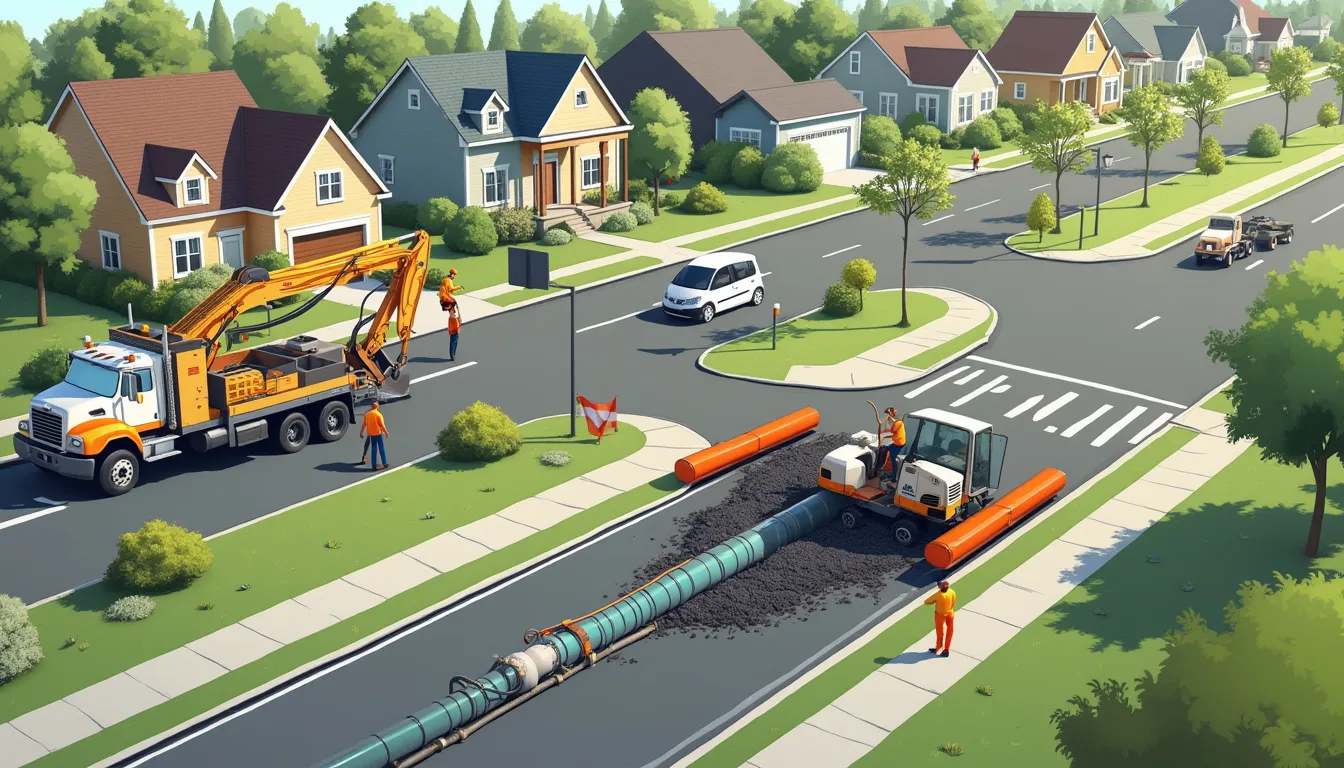
Understanding Trenchless Sewer Pipe Repair: A Modern Solution for Plumbing Issues
When plumbing problems strike, the thought of digging up your entire yard to replace sewer lines can be overwhelming. But fear not! There’s a cutting-edge solution that’s gaining popularity for its efficiency and minimal disruption: Trenchless sewer pipe repair. This innovative approach to fixing sewer pipes offers a host of benefits over traditional methodologies, making it a game-changer for homeowners and businesses alike.
Trenchless sewer pipe repair is exactly what it sounds like – a way to repair or replace sewer pipes without the need for extensive digging. Unlike traditional methods that require large trenches to be dug out, Trenchless technology minimizes the impact on your property and your daily life. Imagine resolving your plumbing issues without ruining your beautifully landscaped yard or tearing up your driveway. Sounds like a dream, right?
But what exactly does Trenchless sewer pipe repair entail? And how does it stack up against the old-school ways of fixing sewer lines? Let’s take a closer look at how Trenchless technology works and why it might be the best choice for your plumbing problems.
What is Trenchless Sewer Pipe Repair?
At its core, Trenchless sewer pipe repair involves techniques that enable plumbers to repair or replace pipes with minimal digging. Whether it’s a small crack or a complete pipe replacement, Trenchless methods offer a modern, efficient solution that reduces the headache and mess associated with traditional repairs.
When comparing Trenchless sewer pipe repair to traditional methods, the differences are clear. Traditional Sewer Repair often requires extensive excavation, causing significant disruption and added costs for repair and landscaping. On the other hand, Trenchless methods are generally quicker, less invasive, and often more cost-effective in the long run.
Let’s break down the key benefits of using Trenchless technology for plumbing issues:
- Minimal Disruption: Your yard, driveway, and property remain largely intact.
- Time Efficiency: Repairs are typically completed faster, saving you time and hassle.
- Cost-Effective: While the initial cost may be higher, the reduced need for extensive excavation and landscaping can lead to significant savings.
- Durability: Trenchless repairs often use advanced materials that can last longer than traditional pipes.
As you can see, Trenchless sewer pipe repair offers a plethora of advantages that can make a stressful situation much more manageable. In the following sections, we will delve into the specific methods of Trenchless repair, why they’re so effective, and real-world examples that showcase their success. Stay tuned as we unpack everything you need to know about this modern plumbing marvel!
What is Trenchless Sewer Pipe Repair?
Trenchless sewer pipe repair is an innovative technique revolutionizing the world of plumbing repairs. The goal is simple: fix or replace underground sewer pipes without the need to excavate large portions of your yard, driveway, or street. This highly effective method relies on advanced technologies to address and resolve sewer pipe issues while minimizing disruption to your property.
Explanation of Trenchless Sewer Pipe Repair
Imagine needing a major plumbing repair but not having your yard turned into a construction zone. That’s exactly what Trenchless sewer pipe repair offers. Instead of the traditional method, which involves digging large trenches to access damaged pipes, Trenchless repair utilizes state-of-the-art techniques that allow the job to be done through one or two small access points. These strategic access points are usually less invasive and located at key areas where pipes need repair the most.
Comparison with Traditional Sewer Pipe Repair Methods
Traditional sewer pipe repair can be a logistical nightmare. It involves heavy machinery digging extensive trenches, which can take days or even weeks to complete. During this time, homeowners must deal with noise, debris, and the potential destruction of landscaping, pavements, and driveways.
In contrast, Trenchless sewer pipe repair is like a breath of fresh air. It skips the mess and inconvenience of large-scale excavation, offering a far cleaner, quicker, and more efficient solution. Traditional repairs are labor-intensive, costly, and often result in significant property damage that requires additional time and money to fix. The Trenchless method, on the other hand, has workers utilizing cameras, specialized machinery, and advanced materials to carry out repairs with minimal disruption and maximum efficiency.
Benefits of Using Trenchless Technology for Plumbing Issues
So, why should you consider Trenchless sewer pipe repair? There are several compelling reasons to go this route.
Less Property Damage: First and foremost, Trenchless technology minimizes property damage. By avoiding large scale digging, homeowners can preserve their landscapes, driveways, and sidewalks, saving them from unnecessary destruction and exorbitant restoration costs.
Time-Efficient: Traditional repairs take time — lots of it. Trenchless repairs, however, can often be completed in a fraction of the time. This means your daily routine faces far less disruption.
Cost-Effective: While Trenchless technology might seem like a bigger upfront investment, the long-term savings are significant. Homeowners often end up paying less overall because they don’t have to worry about extensive landscaping and property repairs post-fix.
Environmentally Friendly: Excavation disrupts the soil, plants, and potentially local wildlife. Trenchless methods are far gentler on the environment. They ensure that the surrounding ecosystem remains largely undisturbed.
Enhanced Durability: Materials used in Trenchless sewer pipe repair are often more durable than traditional pipes. This means that once repairs are made, homeowners can expect a longer-lasting solution, reducing the need for frequent fixes.
Increased Property Value: Believe it or not, maintaining your property with minimal damage increases its value. Potential buyers will be more interested in homes that do not have the scars of large-scale past repairs.
In essence, Trenchless sewer pipe repair isn’t just a trend—it’s a substantial improvement over traditional plumbing repair methods. Its efficacy, efficiency, and host of additional benefits make it an excellent choice for addressing sewer pipe issues without the stress and mess of traditional methods.
The world of plumbing has seen significant advancements, and Trenchless technology stands out as one of the most revolutionary. If you’re faced with sewer pipe issues, consider this modern, efficient solution that can save you time, money, and a whole lot of hassle.
Types of Trenchless Sewer Pipe Repair Methods
When it comes to Trenchless sewer pipe repair, there are several methods that stand out for their effectiveness and efficiency. In this segment, we’ll explore the most common methods: pipe bursting, pipe lining, and horizontal boring. Each of these techniques has its unique process and set of advantages and disadvantages. Understanding these can help you make an informed decision about the best approach for your plumbing issues.
Pipe Bursting
Pipe bursting is a fascinating method where the existing pipe is shattered, and a new one is pulled into its place simultaneously. This technique is particularly useful for replacing old or damaged pipes without the need for extensive digging.
The process involves inserting a bursting head into the existing pipe. As this head is pulled through, it breaks the old pipe apart while simultaneously laying a new pipe behind it. The new pipe is typically made from high-density polyethylene (HDPE), which is both durable and flexible.
Advantages:
- No need for extensive trenching, which minimizes disruption to your property.
- Can handle significant pipe damage, including complete collapse.
- Offers the benefit of installing a new pipe that can last for decades.
Disadvantages:
- Not suitable for pipes with limited space due to nearby utility lines.
- Requires some excavation to create entry and exit points.
- Initial costs can be higher compared to traditional methods, though savings accrue over time.
Pipe Lining
Pipe lining, also known as cured-in-place pipe (CIPP) lining, is another popular Trenchless sewer pipe repair method. This technique involves inserting a resin-saturated Liner into the existing pipe and curing it to form a new pipe within the old one.
The process starts by cleaning the existing pipe to remove any debris or blockages. Then, a Liner soaked in epoxy resin is inserted and inflated to adhere to the inner walls of the damaged pipe. Once in place, the Liner is cured either with hot water, steam, or ultraviolet light. This curing process hardens the resin, creating a durable new pipe within the old one.
Advantages:
- Minimal excavation required, often limited to a single access point.
- Quick and efficient, often completed in a day or two.
- Suitable for pipes with bends and joints.
Disadvantages:
- Not ideal for pipes with severe collapse or significant diameter reduction.
- May not be suitable for pipes with extensive root intrusion without pre-treatment.
- The new pipe diameter is slightly smaller due to the Liner thickness.
Horizontal Boring
Horizontal boring, also known as directional drilling, is a method commonly used for installing new pipes or utilities without disturbing the surface. It’s especially useful in areas where traditional trenching is impractical, such as beneath roads, buildings, or landscaped areas.
In this process, a boring machine drills a horizontal path underground, creating a tunnel that can accommodate the new pipe. The machine’s drill head is carefully guided to ensure accurate placement, and once the desired path is achieved, the new pipe is pulled through the borehole.
Advantages:
- Ideal for installing new pipes without disturbing existing structures.
- Great for long-distance installations and crossing obstacles like roads or rivers.
- Minimizes environmental impact by reducing the need for large-scale excavation.
Disadvantages:
- High initial costs due to specialized equipment and labor.
- Requires detailed planning and precise execution.
- Not suitable for short or curved pipe installations.
In summary, Trenchless sewer pipe repair methods like pipe bursting, pipe lining, and horizontal boring offer innovative solutions for various plumbing issues. Each method comes with its own set of benefits and challenges, making them suitable for different situations. Choosing the right Trenchless sewer pipe repair technique depends on factors such as the condition of the existing pipes, the surrounding environment, and your specific requirements. By understanding these methodologies, you can make an informed decision that ensures the longevity and efficiency of your plumbing system.
Why Choose Trenchless Sewer Pipe Repair for Plumbing Problems?
Efficiency and Effectiveness of Trenchless Sewer Pipe Repair
When it comes to plumbing issues, one of the main reasons to choose Trenchless sewer pipe repair is its undeniable efficiency and effectiveness. Unlike traditional methods that require extensive digging and can significantly disrupt daily life, Trenchless technology offers a minimally invasive solution. This means your yard, driveway, and other landscape features remain intact. The process is tailored to quickly address the root problems, such as pipe breakages or blockages, with minimal downtime. Hence, homeowners and businesses can resume normal activities much faster than with conventional Sewer Repair methods.
Furthermore, Trenchless sewer pipe repair techniques are highly effective in extending the life of existing pipes. Techniques like pipe lining, for instance, create a new pipe within the old one, ensuring a seamless and durable fix. With Trenchless methods, you not only solve the issue at hand but also prevent future problems, providing peace of mind for many years to come.
Environmental Impact and Sustainability Benefits
Another compelling reason to go for Trenchless sewer pipe repair is its positive environmental impact. Traditional Sewer Repair methods can disrupt the local ecology, uprooting plants, and disturbing the soil structure. In contrast, Trenchless technology is significantly more eco-friendly. By eliminating the need for large-scale digging, it preserves the existing landscape and reduces soil erosion.
Moreover, Trenchless repairs often use eco-friendly materials and processes that are designed to last, reducing the need for frequent repairs and replacements. This directly translates to a smaller carbon footprint over the system’s lifecycle. These sustainable practices are not only beneficial for the environment but also align with the growing consumer demand for eco-friendly services. It’s a win-win situation that ensures your plumbing is efficient, effective, and kind to the planet.
Cost Considerations and Long-Term Savings
Cost is often a major factor in deciding on a Sewer Repair method. While Trenchless sewer pipe repair might initially seem more expensive than traditional methods, it offers substantial long-term savings. Because it requires less labor and less extensive site restoration, the overall expenses come down significantly. Homeowners and businesses save money not just on the repair itself but also on the collateral damage costs associated with digging up landscapes, driveways, and other structures.
In addition, the durability of Trenchless solutions means fewer recurring issues and repairs. This long-term reliability contributes to lower maintenance costs over the years. Essentially, investing in Trenchless repair upfront is a smart financial decision, preventing future hassles and expenses. When you factor in the reduced downtime and the quicker project completion, it’s evident why many are turning to this modern, cost-effective solution.
Real-World Examples and Case Studies
To truly understand the value of Trenchless sewer pipe repair, it helps to look at real-world examples and case studies. Many municipalities, businesses, and homeowners have successfully leveraged this technology to sort out complex plumbing issues efficiently. For instance, a city in California opted for Trenchless sewer pipe repair to replace aging sewer lines within a historic district. The project was completed ahead of schedule without disturbing the old buildings and landscapes. The cost savings were substantial, and the community was thrilled with the minimal disruption.
On a smaller scale, many homeowners have turned to Trenchless options to fix persistent issues like recurring blockages or leaking pipes. One such homeowner in Florida was facing repeated sewer backups and high water bills. By choosing a Trenchless pipe lining solution, the problem was resolved quickly, and the homeowner noticed immediate improvements in water pressure and bill reductions.
These examples highlight just how versatile and effective Trenchless sewer pipe repair can be. Whether dealing with large-scale municipal systems or smaller residential plumbing problems, Trenchless technology offers a smart, reliable, and efficient solution.
In a world where time, money, and environmental impact are increasingly significant, Trenchless sewer pipe repair stands out as a modern solution that checks all the boxes. It’s efficient, environmentally friendly, and cost-effective, making it an ideal choice for addressing a wide range of plumbing problems.
Conclusion
So, we’ve journeyed through the ins and outs of Trenchless sewer pipe repair, examining what it is, how it works, and why it might just be the best option for tackling plumbing issues. This modern, minimally invasive technique offers a variety of benefits over traditional methods, from saving your garden and driveway from destruction to reducing the environmental impact.
We dove into the different types of Trenchless sewer pipe repair methods, such as pipe bursting, pipe lining, and horizontal boring. Each method comes with its own set of advantages and potential drawbacks, but all share the common goal of repairing or replacing sewer lines efficiently and effectively, without the need for extensive excavation.
Choosing Trenchless sewer pipe repair is a decision backed by numerous benefits. It’s not just about speed and convenience; it’s also about sustainability and long-term cost savings. Fewer disruptions to your property and the reduced carbon footprint are just cherries on top. And when we look at real-world examples and case studies, it’s clear that this modern solution consistently delivers impressive results.
At the end of the day, Trenchless sewer pipe repair stands out as a forward-thinking approach to addressing plumbing woes. It’s a testament to how innovation in the industry can lead to better outcomes for homeowners, businesses, and the environment.
If you’re facing plumbing issues and need a reliable, eco-friendly solution, considering Trenchless sewer pipe repair might be the best decision you make. Here’s to fewer trenches, more efficiency, and a cleaner, healthier world!