Spokane Rooter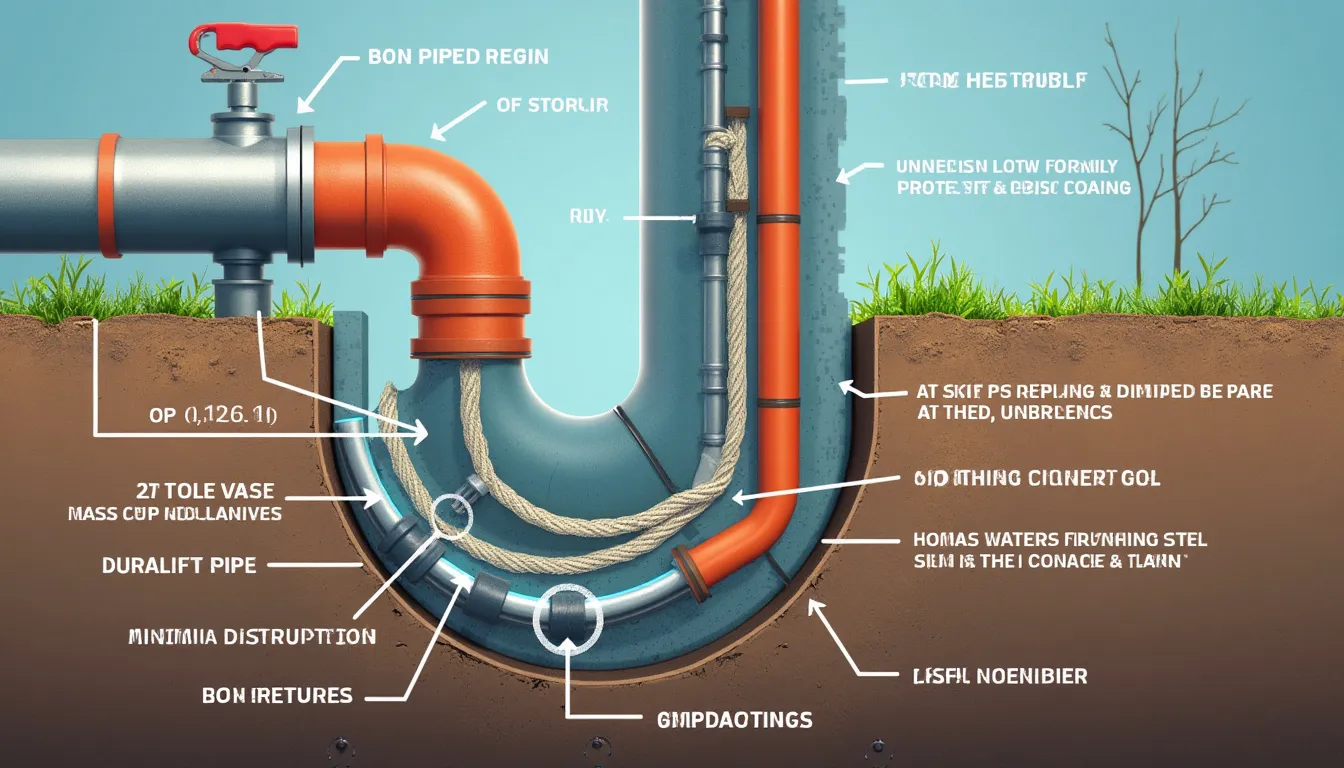
Benefits and Techniques of Cast Iron Pipe Relining
Understanding the Importance of Cast Iron Pipe Relining
Why Choose Cast Iron Pipe Relining?
When it comes to maintaining the infrastructure of your home or business, one of the most resilient choices is cast iron pipes. Known for their incredible longevity and durability, cast iron pipes have been a trusted choice for decades. But what happens when these reliable pipes begin to show signs of wear and tear? This is where cast iron pipe relining comes into play, offering a practical alternative to the cumbersome process of complete pipe replacement.
The beauty of cast iron pipe relining lies in its minimally invasive nature. Instead of digging up your entire yard or tearing through walls and floors, this technique allows professionals to repair your pipes from the inside out. This means less disruption to your daily life and quicker repair times.
Environmental and Cost-Saving Advantages
Not only is cast iron pipe relining less disruptive, but it’s also kinder to the environment. By opting to reline rather than replace, you’re significantly reducing the amount of waste generated. This sustainable choice conserves resources and minimizes your overall environmental footprint.
Plus, let’s talk about the financial side of things. Cast iron pipe relining is generally more cost-effective compared to full pipe replacement. You’ll save money on labor, materials, and the cost of restoring your property post-excavation. In short, it’s a win-win situation for both your wallet and the planet.
Key Benefits of Cast Iron Pipe Relining
Enhanced Pipe Longevity and Improved Flow
Relining your cast iron pipes can add decades to their life expectancy, ensuring you get the most out of your initial investment. This process also enhances water flow through your pipes. Relining smooths out the interior surfaces, making it harder for debris and sediments to build up, which in turn reduces the likelihood of blockages.
Maintenance Reduction and Prevention of Leaks
Another significant advantage is the reduction in future maintenance efforts. Relining creates a seamless, jointless pipe within a pipe, which is less prone to common issues such as leaks and root intrusions. This not only limits the need for repairs down the line but also provides peace of mind by boosting the overall reliability of your plumbing system.
Techniques and Procedures in Cast Iron Pipe Relining
Step-by-Step Pipe Relining Process
The process starts with a thorough inspection to assess the condition of the existing pipes. This is typically followed by a cleaning phase, where any obstructions or corrosion are removed to prepare for the relining material. Once the pipes are clean, a new lining material, often an epoxy resin, is applied to the interior surfaces. This creates a brand new, durable pipe inside the old one.
Innovative Methods and Materials Used
Among the popular materials used for relining, epoxy resin stands out due to its strength and longevity. There are also advanced techniques, like Trenchless relining, which eliminate the need for digging altogether. These cutting-edge methods ensure a swift, efficient repair process that revitalizes your pipes with minimal fuss.
Understanding the Importance of Cast Iron Pipe Relining
Why Choose Cast Iron Pipe Relining?
Cast iron pipes have been a cornerstone of plumbing systems for many years due to their exceptional longevity and durability. When these pipes start showing signs of wear and tear, the instinct might be to consider a complete pipe replacement. However, cast iron pipe relining offers an alternative that not only extends the life of your existing pipes but also cuts down on costs and disruption.
The beauty of cast iron lies in its robustness. These pipes can function efficiently for decades, with some lasting over a century. When wear and tear become noticeable, relining the pipes can renew their functionality, ensuring they perform optimally for many more years. This method is particularly advantageous because it obviates the need for a full-scale pipe replacement, which can be a more expensive and invasive process.
One of the standout benefits of relining compared to traditional excavation methods is the minimal disruption it causes. Think about it: digging up your yard, driveway, or even parts of your house to replace pipes means a significant upheaval to your daily life. With cast iron pipe relining, the process is far less invasive. Specialized techniques allow professionals to insert new lining material into the existing pipes through small access points, preserving your property while updating its plumbing system.
Environmental and Cost-Saving Advantages
The environmental upside of cast iron pipe relining cannot be overstated. By opting to reline rather than replace, you significantly reduce the waste generated by discarded pipes. Additionally, fewer resources are consumed because the existing infrastructure is reused, which means less of a strain on our environment.
When comparing costs, relining comes out on top as a more economical choice. Although the initial investment might seem comparable to replacement, the long-term costs associated with relining are much lower. You save not only on the direct cost of new pipes and associated materials but also on the labor and time expenses that come with excavation and extensive repairs. Thus, relining offers a financially savvy option that provides high value by extending the lifespan of your cast iron pipes without breaking the bank.
In essence, cast iron pipe relining is a win-win: it’s less disruptive, more environmentally friendly, and cost-effective. Whether you’re looking to extend the life of your plumbing system, save on future maintenance costs, or simply prefer a less invasive repair method, relining stands out as an excellent choice.
Key Benefits of Cast Iron Pipe Relining
Enhanced Pipe Longevity and Improved Flow
One of the most notable benefits of cast iron pipe relining is the significant extension of the pipes’ lifespan. With the application of a new lining, cast iron pipes that may be showing signs of wear and tear can gain decades of additional functionality. This process essentially restores the pipes to a like-new state without the need for a full replacement, which can be both costly and time-consuming.
Moreover, the relining process improves water flow through the pipe system. The new lining material, typically a smooth and durable epoxy resin or similar substance, eliminates rough spots, corrosion, and potential blockages inside the pipes. This smooth internal surface allows water and waste to flow more freely, reducing the likelihood of future clogs and improving overall efficiency in the plumbing system. Imagine experiencing fewer slow drains or backups—it’s like granting your plumbing system a fresh start!
Maintenance Reduction and Prevention of Leaks
Cast iron pipe relining is also highly effective in reducing the need for future maintenance. Once the new lining is installed, the pipes are less prone to the issues that commonly plague older cast iron systems, such as corrosion and sediment buildup. The resilient lining material adds a protective layer that guards against these typical wear factors, meaning you won’t have to deal with frequent repairs or interventions.
Another significant advantage of relining is its ability to prevent leaks and root intrusion. Leaks are a common problem with aging cast iron pipes due to the development of cracks and holes. These leaks not only waste water but can also cause massive damage to the surrounding property if left untreated. By applying a robust new lining, these vulnerabilities are sealed off, effectively preventing leaks.
Root intrusion, where tree or plant roots penetrate the pipe through small openings, is another menace to cast iron pipes. This intrusion can cause blockages and severe damage to the pipe structure. The smooth and continuous lining created through the relining process forms an impenetrable barrier, safeguarding the pipes from these potential invasions and preserving the integrity of the entire system.
Environmental and Cost-Saving Advantages
The environmental benefits of cast iron pipe relining are worth noting as well. Instead of digging up and disposing of old pipes, which can create substantial waste and environmental disruption, relining makes use of the existing pipe infrastructure. This reduction in waste not only helps the environment but also conserves resources that would otherwise be used in the production of new pipes.
Assessing the costs, cast iron pipe relining is generally more economical than a full pipe replacement. Pipe replacement involves extensive excavation, labor, and restoration costs that quickly add up. Relining, on the other hand, focuses on rehabilitating the current pipes with minimal disruption, making it a more budget-friendly option. Homeowners and businesses alike can benefit from the cost savings on both the materials and the labor involved.
Techniques and Procedures in Cast Iron Pipe Relining
Step-by-Step Pipe Relining Process
When it comes to cast iron pipe relining, the technique is a marvel of modern engineering that allows you to rejuvenate your plumbing system without extensive excavation. Let’s walk through the key stages of the process to understand how it all works.
Initial Inspection and Cleaning Phases:
The first step in the cast iron pipe relining process is a thorough inspection. This is typically done using high-definition cameras that are inserted into the pipes to assess the existing condition. The visual inspection allows professionals to identify cracks, blockages, and any other issues that need addressing.
Once the inspection is complete, the next step involves cleaning the pipes. This is a crucial phase because any debris, rust, or buildup needs to be removed to ensure the new lining adheres properly. Professionals often use high-pressure water jets or mechanical cleaning tools to clear out the interior of the pipes, leaving a smooth surface ready for the next stage.
Application of the New Lining Material:
After cleaning, the actual relining process can begin. A special resin-impregnated Liner is introduced into the pipe. This Liner is carefully inverted or pulled through the pipe, ensuring it coats the entire internal surface. Once the Liner is in place, it’s inflated, pressing it firmly against the existing pipe walls. This allows the resin to cure and harden, forming a new, robust pipe within the old one.
The curing process can vary depending on the type of resin used. Some systems utilize heat or UV light to expedite curing, while others rely on ambient temperatures. The result is a seamless, joint-free pipe that enhances flow and extends the lifespan of the plumbing system.
Innovative Methods and Materials Used
The brilliance behind cast iron pipe relining lies in the advanced materials and technologies that have been developed to make this process effective and durable.
Common Materials Used:
Epoxy resin is one of the most frequently used materials in pipe relining. This resin is known for its strength, durability, and resistance to corrosion. Once cured, it provides a smooth, non-porous surface that prevents future buildup and blockages, ensuring a long-lasting fix.
Another popular material is felt Liners soaked in resin. These Liners are exceptionally flexible, allowing them to navigate bends and curves within the pipe with ease. Once in place, the resin hardens, creating a new pipe within the old framework.
Advanced Technologies:
Perhaps one of the most exciting aspects of cast iron pipe relining is the advancement in Trenchless relining techniques. Unlike traditional methods, which require extensive digging and disruption, Trenchless technology allows for relining without significant excavation. This innovation means that lawns, driveways, and even building foundations are left undisturbed, drastically reducing the inconvenience typically associated with pipe repairs.
Trenchless methods also speed up the process. What once would have taken days of labor and disruption can now be completed within a few hours, depending on the scope of the project and the length of pipe being relined.
Conclusion
Cast iron pipe relining is an impressive combination of modern materials and innovative technology. By following a systematic inspection, cleaning, and relining process, it not only extends the life of existing pipes but also improves flow and minimizes maintenance. Using advanced materials like epoxy resin and Trenchless techniques means that the procedure is efficient, cost-effective, and environmentally friendly. For anyone looking to enhance their plumbing system without the hassle of full pipeline replacement, cast iron pipe relining presents an effective and low-disruption solution. It’s definitely worth considering for homeowners and business owners alike looking to maintain, upgrade, or repair their aging plumbing infrastructure.
Wrapping Up: The Future of Cast Iron Pipe Relining
The journey through the benefits and techniques of cast iron pipe relining reveals a compelling case for its adoption in modern plumbing and infrastructure maintenance. From extending the life of existing pipes to enhancing environmental sustainability, cast iron pipe relining emerges not just as a technical fix but as a strategic advantage.
Achieving Longevity and Efficiency
By choosing to invest in cast iron pipe relining, you’re not only opting for an effective solution to current plumbing challenges but also safeguarding the integrity of your piping system for years to come. The significant improvement in water flow, reduction in blockages, and enhanced resistance against leaks and intrusions underscores the practical benefits of this method.
Cost-Effective and Environmentally Friendly
The monetary savings associated with avoiding complete pipe replacements coupled with the reduced environmental footprint make relining a win-win scenario. It’s a cost-effective way to keep your infrastructure functional and reliable without the extensive disruptions caused by traditional pipe replacement methods.
Embracing Advanced Techniques
With innovative materials like epoxy resin and state-of-the-art Trenchless technologies, the process of relining cast iron pipes has become more efficient and less invasive than ever. These advancements ensure that the solution is not just temporary but robust and long-lasting.
Ultimately, cast iron pipe relining stands out as a forward-thinking approach to maintaining the health and efficiency of plumbing systems. Whether you’re dealing with aging infrastructure or aiming to preempt future issues, the benefits and techniques outlined make it clear: cast iron pipe relining is a smart, sustainable choice for modern plumbing needs.