Plumber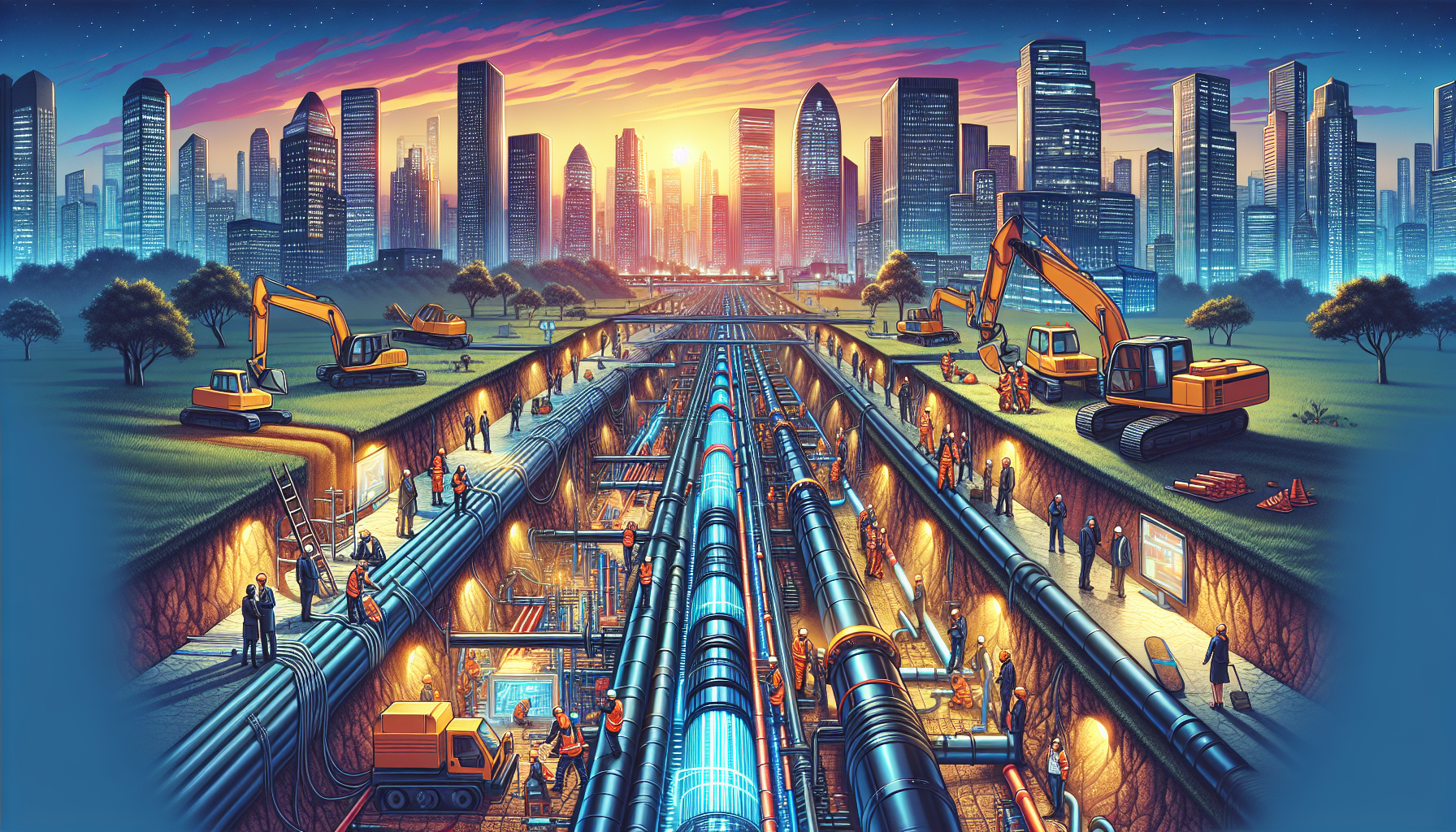
In the realm of urban infrastructure, the need for efficient and minimal impact solutions is ever-growing. Trenchless technology is rapidly emerging as a compelling answer for sewer system upgrades. This innovative approach to underground construction enables the repair, replacement, and installation of sewer pipes with minimal excavation. This not only preserves the urban landscape but also significantly reduces the disruption to traffic, businesses, and residents. The adoption of trenchless methods represents a major advance in municipal engineering, leveraging sophisticated equipment and techniques that slip beneath the surface with surgical precision.
Benefits of Trenchless Sewer UpgradesThe advantages of trenchless sewer upgrades are broad and substantial. Without the need for extensive trench digging, the structural integrity of the surrounding areas—including roads, sidewalks, and buildings—remains intact. This reduces the risk of damage and subsequent repair costs. Additionally, trenchless methods are generally faster, lessening the timeframe for construction-related inconveniences. Such methods are also inherently safer since they minimize the risks associated with open trenches, such as accidental falls and unstable work environments. Moreover, trenchless technology is more environmentally friendly, as it significantly reduces the carbon footprint of sewer upgrade projects by minimizing the use of heavy machinery and the production of excavation waste.
Common Trenchless TechniquesSeveral key techniques underpin trenchless technology. Among them, ‘Cured-in-place piping’ (CIPP) is widely used, where a resin-saturated felt tube is pulled into a damaged pipe and cured to form a new pipe within the old one. ‘Pipe bursting’ is another technique where an old pipe is fractured outward as a new one is drawn through its center, effectively replacing the line. ‘Horizontal directional drilling’ (HDD) enables the installation of new pipelines along a pre-set bore path beneath the ground, without trenching. Each of these techniques is tailored to different scenarios, various pipe materials, and unique urban landscapes, providing a versatile toolkit for urban sewer upgrades.
Planning and Implementing Trenchless ProjectsThe successful integration of trenchless technology into urban sewer upgrades demands meticulous planning. It starts with a thorough assessment of the current system’s condition using techniques such as closed-circuit television (CCTV) inspection. Once the needs are established, engineers devise a suitable approach, considering factors such as soil conditions, pipe materials, and the proximity of other utilities. Public communication is also paramount, ensuring that citizens are informed and their concerns addressed. Skilled technicians and operators are essential, given the specialized nature of the trenchless equipment and techniques.
Challenges and ConsiderationsWhile trenchless technology presents a raft of benefits, it also has its set of challenges. High initial investment in equipment and training can be a barrier for municipalities. There’s also the challenge of adapting old infrastructure to new technologies, particularly in cities with complex and aging sewer systems. Regulatory hurdles can arise, requiring compliance with strict codes and standards. Meanwhile, unforeseen underground conditions or existing damage to pipes can complicate trenchless operations. These considerations must be carefully weighed against the technology’s long-term benefits.
The Future of Sewer UpgradesTrenchless technology is not just a fleeting trend; it represents the future of urban sewer system management. As cities worldwide face the pressures of aging infrastructure and increased urbanization, the shift towards less invasive and more sustainable methods is becoming a necessity. Investing in trenchless technology is an investment in the urban future—a means to preserve the efficacy of critical public services while minimizing their environmental and social impact. As research and innovation continue, we can expect trenchless technology to evolve further, making sewer system upgrades less of an urban upheaval and more of a seamless transition into a resilient municipal future.