Plumber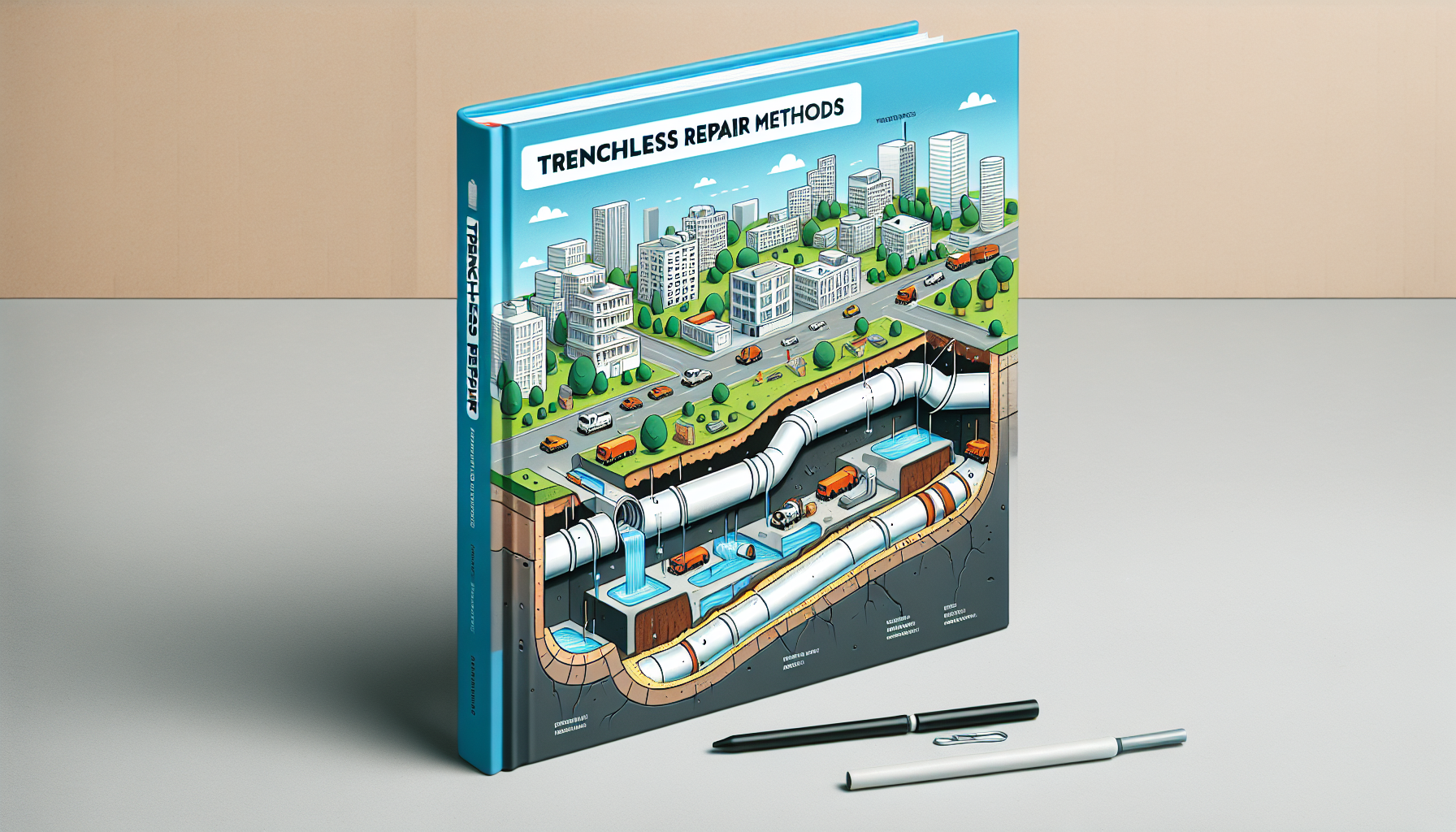
In many municipalities, aging sewer infrastructure has become a significant problem, necessitating frequent and costly repairs. Traditional methods of repairing sewer lines often involve extensive excavation, which is disruptive to the environment and community. Fortunately, Tekoa has embraced a modern solution to these sewer woes—trenchless repair methods. These innovative techniques allow for the repair or replacement of underground pipes with minimal digging, offering a quicker, more cost-effective, and less disruptive alternative to traditional sewer repair methods.
Understanding the Trenchless TechnologyTrenchless technology is a term used to describe various methods used to install or repair underground pipes without the need for extensive excavation. This technology has revolutionized sewer repairs by significantly reducing surface disruption, traffic problems, and damage to landscaping and hardscaping. There are several trenchless repair methods available, each suited to different situations, pipe materials, and damage types.
Cured-In-Place Pipe (CIPP)Cured-In-Place Pipe, or CIPP, is a common trenchless repair method that involves inserting a resin-saturated felt tube into the existing pipe. Once in place, the resin is cured using hot water, steam, or UV light, creating a new pipe within the old one. This method is suitable for repairing cracks, holes, and joint failures in various pipe materials, including clay, concrete, metal, or plastic.
Pipe BurstingPipe bursting is another trenchless method ideal for replacing severely damaged or outdated sewer lines. This technique uses a bursting head to fracture the old pipe outward as a new one is pulled through the void created. Pipe bursting is particularly effective for upsizing services, as it allows the installation of a larger-diameter pipe, increasing flow capacity.
Slip LiningSlip lining is one of the oldest trenchless rehabilitation methods. It involves pulling or pushing a new pipe, usually made of plastic, into the existing pipe. Once in place, the space between the old and new pipes is grouted, and the new lining is sealed at the ends. This method is beneficial for its simplicity and the ability to rehabilitate long lengths of pipe with relatively few access points.
Benefits of Trenchless Sewer RepairThe advantages of trenchless sewer repair are manifold. The key benefits include:
– Reduced Environmental Impact: With minimal excavation, trenchless methods cause less harm to the surrounding ecosystem.
– Lower Costs: Less digging means fewer workers, less equipment, and a quicker turnaround, all of which contribute to lower overall costs.
– Less Disruption: Trenchless repairs can often be performed without disrupting traffic or daily activities, and they preserve landscaping and structures.
– Increased Durability: Many trenchless repair methods result in new pipes that are jointless and corrosion-resistant, leading to a longer lifespan and fewer future repairs.
Selecting the appropriate trenchless repair method depends on various factors, including the condition and size of the existing pipes, the nature and extent of the damage, and local soil conditions. Professionals must also consider access to the pipe, the presence of nearby utilities, and environmental regulations. It’s essential for municipalities like Tekoa to consult with experienced engineers and contractors who specialize in trenchless technology to assess their needs and determine the best course of action.
Conclusion: Embracing Innovation for Sustainable InfrastructureTrenchless sewer repair methods represent a significant leap forward in infrastructure maintenance and repair. By adopting these techniques, Tekoa is not only addressing its sewer system challenges but also setting a precedent for other communities to follow. The move to trenchless solutions reflects an investment in innovation, sustainability, and resilience, positioning the municipality for improved environmental stewardship and enhanced quality of life for its residents. As the technology continues to evolve, the possibilities for efficient and environmentally-friendly sewer repairs will only expand.