Plumber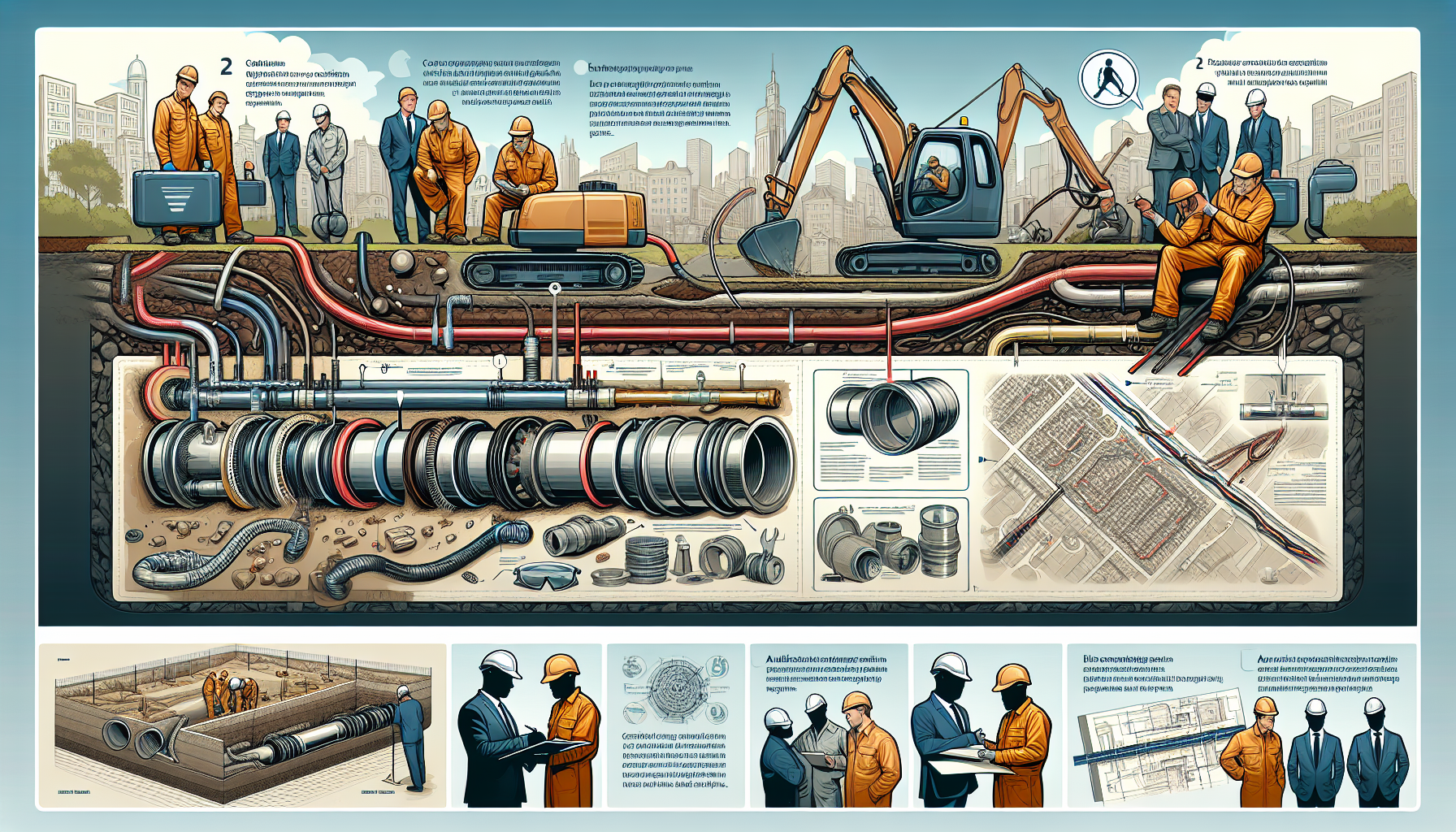
[INDENT]Trenchless sewer repair is a modern method of repairing and replacing sewer pipes without the need for extensive excavation. This innovative technique has revolutionized the way municipalities, businesses, and homeowners manage their sewer maintenance, leading to significant cost savings, minimal disruption, and a reduced impact on the environment. Through a series of success stories and case studies, we will explore the efficacy and advantages of trenchless sewer repair technologies.[/INDENT]
How Trenchless Sewer Repair Works[INDENT]Before delving into specific case studies, it’s important to understand the various methods of trenchless sewer repair. Chief among these are Cured-In-Place Pipe (CIPP) lining, where a resin-saturated felt tube is inserted into the damaged pipe and cured to form a new pipe within the old one, and pipe bursting, a process where the old pipe is fractured outward as a new one is pulled through it. These methods eliminate the need for extensive digging, preserve landscapes, and save time.[/INDENT]
Municipal Success with Trenchless Technologies[INDENT]Cities worldwide have embraced trenchless technologies to address their aging infrastructure. One notable example is Los Angeles, California, where the city’s Bureau of Sanitation implemented a massive CIPP lining project. Faced with over 6,500 miles of sewer lines, much of which were over 80 years old, the bureau utilized CIPP to rehabilitate sections of its sewer system. This initiative prevented potential failures, reduced traffic disruption in the congested city, and was completed at a cost far lower than traditional excavation methods.
Another success story is found in the city of Toronto, Canada. When Toronto was faced with the challenge of repairing a critical 36-inch diameter sewer line located under a busy expressway, traditional open-cut methods would have caused significant traffic delays and public uproar. By using trenchless pipe bursting technology, the city was able to replace the sewer line without impacting the expressway above, maintaining normal traffic flow and ensuring uninterrupted service for thousands of residents.[/INDENT]
Residential Trenchless Repairs: A Case Study[INDENT]In a residential setting, trenchless sewer repair methods have saved homeowners time, money, and untold amounts of stress. A homeowner in Seattle, Washington, faced a sewer line break beneath their prized garden. Excavation would have destroyed years of careful landscaping. Fortunately, the contractor suggested CIPP lining. The job was completed in a day, the garden was preserved, and the homeowner saved thousands of dollars that full excavation would have incurred.
In a similar vein, a historic neighborhood in Charleston, South Carolina, utilized trenchless technology to repair a century-old sewer system without disturbing the cobblestone streets and heritage trees. Using a combination of CIPP and directional drilling, the community upgraded its sewer infrastructure while maintaining the integrity of its historic aesthetic and avoiding interference with the high tourist traffic.[/INDENT]
Commercial Applications Garnering Results[INDENT]On the commercial front, trenchless sewer repair has proven its worth as well. A shopping mall in Atlanta, Georgia, faced recurring sewage backups due to an outdated and failing waste line. Excavation was not a viable option due to the potential disturbance to businesses and customers. By employing pipe bursting, the entire line was replaced within a matter of days, rather than the weeks required for traditional excavation, allowing the mall to continue its operations with minimal interruption.
Additionally, an industrial complex in Houston, Texas, needed to upgrade its sewer system but was concerned about the potential downtime. The solution was a swift trenchless repair, which allowed the complex to remain fully operational during the upgrade. The project was completed successfully without any loss in productivity, showcasing trenchless repair as an ideal solution for time-sensitive commercial environments.[/INDENT]
Conclusion: Trenchless Sewer Repair Advancing Forward[INDENT]These case studies illustrate the broad array of applications for trenchless sewer repair and its capacity to solve complex infrastructure problems. By offering a less invasive, more economical, and environmentally friendly alternative to conventional methods, trenchless technologies are set to continue their upward trajectory in the world of underground utilities.
As more success stories emerge, the benefits of trenchless sewer repair techniques become increasingly clear: they are key players in ensuring the resilience and sustainability of sewer infrastructure for future generations. With continuous advancements in technology and materials, trenchless repairs are expected to become standard practice wherever aging pipes lie beneath our feet.[/INDENT]