Spokane Rooter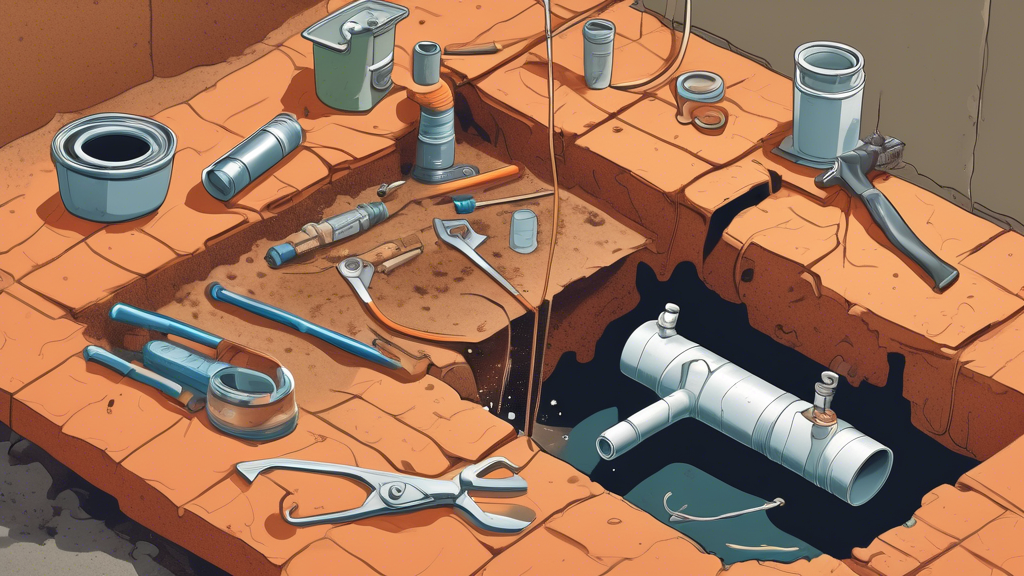
When it comes to home maintenance, few things can be as daunting as dealing with sewer drain issues. The mere thought of a backed-up or damaged sewer line is enough to make any homeowner cringe. But fear not! With the right knowledge and tools, many sewer drain repairs can be tackled as DIY projects, saving you time and money. In this comprehensive guide, we’ll explore the ins and outs of sewer drain repair, from identifying common problems to rolling up your sleeves and fixing them yourself. Whether you’re dealing with a stubborn clog or a more serious pipe issue, we’ve got you covered with practical tips and step-by-step instructions. So, grab your toolbox and let’s dive into the world of DIY sewer drain repair – it might just be easier than you think!
Understanding Common Sewer Drain Issues
If you’ve ever experienced a sewer drain problem, you know it’s not exactly a walk in the park. But don’t worry, fellow homeowner! By understanding the ins and outs of sewer drain issues, you’ll be better equipped to tackle them head-on. Let’s dive into the murky world of sewer drains and uncover the secrets to identifying and addressing common problems.
Signs of a Damaged Sewer Drain
First things first, how do you know if your sewer drain is throwing a tantrum? Well, it’s not like it’ll send you a text message, but there are some telltale signs that scream Houston, we have a problem! Here are a few red flags to watch out for:
1. The Nose Knows: If your home suddenly smells like a medieval cesspit, chances are your sewer drain is trying to tell you something. Foul odors, especially near drains or in your yard, are a dead giveaway that something’s amiss.
2. Gurgling Drains: No, your sink isn’t trying to communicate with extraterrestrials. If you hear strange gurgling noises when water goes down the drain, it could indicate a blockage in your sewer line.
3. Slow Drains: Is your bathtub turning into a kiddie pool every time you shower? Slow-draining fixtures throughout your home might point to a sewer drain issue.
4. Wet Spots in the Yard: If your lawn suddenly develops a swampy area or unusually lush patches of grass, it could be a sign of a leaking sewer line underground.
5. Backup Blues: The granddaddy of all sewer problems – sewage backing up into your home. If you see water (or worse) coming up through floor drains or toilets, it’s time to sound the alarm.
Types of Sewer Drain Problems
Now that we’ve covered the warning signs, let’s explore the usual suspects when it comes to sewer drain issues. Understanding these common problems will help you diagnose and potentially fix the issue yourself.
1. Clogs: The most frequent offender in the sewer drain world. Clogs can be caused by a build-up of grease, hair, toilet paper, or even tree roots infiltrating the pipes. They’re like those unwanted house guests who overstay their welcome and clog up your whole system.
2. Tree Root Invasion: Nature can be beautiful, but it can also be a pain in the pipes. Tree roots are naturally drawn to water sources and can infiltrate small cracks or joints in your sewer line, causing blockages and damage over time.
3. Pipe Damage: Whether it’s due to age, shifting soil, or that time you tried to be a DIY excavator in your backyard, damaged pipes can lead to leaks, blockages, and a whole host of sewer drain problems.
4. Bellied Pipe: No, this isn’t a pipe that’s had too many beers. A bellied pipe occurs when a section of the pipe sags, creating a low spot where waste can accumulate and cause blockages.
5. Corrosion: Over time, especially in older homes with metal pipes, corrosion can eat away at your sewer line, leading to leaks and eventually complete pipe failure.
When to Attempt DIY Sewer Drain Repair vs. Calling a Professional
Now, I know what you’re thinking: I’ve got this! Hand me a plunger and stand back! And while I admire your enthusiasm, it’s important to know when to roll up your sleeves and when to wave the white flag and call in the pros.
DIY-Friendly Situations:
1. Minor Clogs: If you’re dealing with a simple clog in a single fixture, like a backed-up toilet or slow-draining sink, you can usually handle this yourself with a plunger, drain snake, or even some good old-fashioned elbow grease.
2. Slow Drains: When multiple drains are moving slowly, you might be able to clear things up with a mixture of baking soda and vinegar, followed by hot water. It’s like a science experiment that actually helps around the house!
3. Visible Blockages: If you can see the culprit causing the blockage (like your child’s favorite action figure taking a swim in the toilet), you might be able to fish it out yourself.
Time to Call the Cavalry (aka Professional Plumbers):
1. Persistent Problems: If you’ve tried DIY methods and the issue keeps coming back faster than a bad penny, it’s time to bring in the experts.
2. Multiple Fixture Backups: When several fixtures are backing up simultaneously, it usually indicates a more serious problem in the main sewer line.
3. Foul Odors or Sewage Backups: If you’re dealing with the nightmare of sewage backing up into your home or persistent foul odors, don’t pass go, don’t collect $200 – call a pro immediately.
4. Suspected Pipe Damage: If you think you might have damaged pipes (due to age, tree roots, or other factors), it’s best to let a professional assess the situation. They have cool toys like sewer cameras that can give you the inside scoop on your pipes.
5. Outdoor Issues: Problems that seem to originate in your yard, like wet spots or unusually lush grass, often indicate underground pipe issues that require professional equipment and expertise.
Remember, there’s no shame in calling for backup. Professional plumbers have seen it all (and I mean ALL), and they have the tools and expertise to handle complex sewer drain repairs. Plus, they’re usually able to diagnose and fix problems much faster than the average DIY enthusiast.
In the world of sewer drain repair, knowledge truly is power. By understanding the signs of sewer drain issues, recognizing common problems, and knowing when to DIY or call in the pros, you’re already ahead of the game. So the next time your drains start acting up, you’ll be ready to face the challenge – armed with knowledge, a can-do attitude, and maybe a really long pair of rubber gloves. Happy plumbing!
Essential Tools and Materials for DIY Sewer Drain Repair
Alright, fellow DIY enthusiasts, let’s roll up our sleeves and dive into the nitty-gritty of sewer drain repair. Before you start channeling your inner plumber, it’s crucial to arm yourself with the right tools and materials. Trust me, having the proper equipment can make the difference between a smooth repair job and a messy disaster. So, let’s break down everything you’ll need to tackle that pesky sewer drain problem like a pro!
Safety Equipment for Sewer Drain Repair
First things first, let’s talk safety. Sewer drain repair isn’t exactly a walk in the park, and you’ll be dealing with some pretty nasty stuff. So, before you even think about grabbing that wrench, make sure you’ve got these safety essentials:
1. Rubber gloves: And I’m not talking about those flimsy kitchen gloves. Invest in a pair of heavy-duty, chemical-resistant gloves to protect your hands from sewage and harsh chemicals.
2. Safety goggles: Because nobody wants sewer water splashing in their eyes. Trust me on this one.
3. Respirator mask: Sewer gases are no joke. A good quality respirator mask will help you breathe easy while you work.
4. Waterproof boots: Keep your feet dry and protected with a sturdy pair of waterproof work boots.
5. Coveralls or old clothes: Sewer repair can get messy, so wear something you don’t mind getting dirty or consider disposable coveralls.
Recommended Tools for Diagnosing and Fixing Sewer Drain Issues
Now that we’ve covered safety, let’s talk about the fun stuff – tools! Here’s a list of must-have tools for your DIY sewer drain repair toolkit:
1. Drain snake or auger: This is your go-to tool for clearing out stubborn clogs. A manual snake works for minor issues, but for tougher jobs, consider renting a motorized auger.
2. Pipe wrench: Essential for loosening and tightening pipes and fittings. Get a couple of different sizes to handle various pipe diameters.
3. Plunger: Sometimes, the old-school methods work best. A heavy-duty plunger can be surprisingly effective for minor clogs.
4. Pipe cutter: If you need to replace a section of pipe, a pipe cutter will give you clean, straight cuts.
5. Hacksaw: For cutting through metal pipes or removing stubborn fittings.
6. Flashlight or headlamp: Good lighting is crucial when you’re working in dark, cramped spaces.
7. Inspection camera: This nifty gadget can help you see deep into your sewer line to identify the exact location and nature of the problem. You can often rent these from hardware stores.
8. Shovel and pickaxe: If you need to dig to access your sewer line, these tools will be your best friends.
9. Bucket and rags: For containing spills and cleaning up as you work.
10. Measuring tape: Accurate measurements are crucial when cutting and replacing pipes.
Materials Needed for Various Sewer Drain Repair Techniques
Alright, now that we’ve got our tools sorted, let’s talk materials. The exact materials you’ll need will depend on the specific repair you’re tackling, but here’s a general list to get you started:
1. PVC pipes and fittings: These are commonly used in modern plumbing systems. Make sure to get the right diameter to match your existing pipes.
2. ABS pipes and fittings: Another type of plastic piping used in some sewer systems.
3. Cast iron pipes and fittings: If you’re working on an older home, you might encounter cast iron pipes.
4. Pipe joint compound or thread seal tape: These help create watertight seals between pipe fittings.
5. PVC primer and cement: For properly joining PVC pipes and fittings.
6. Rubber couplings and clamps: These can be used to join different types of pipes or to create flexible connections.
7. Pipe repair clamps: For quick fixes on small leaks or cracks in pipes.
8. Drain cleaning chemicals: While not always necessary, these can help with minor clogs. Just be sure to use them safely and follow the instructions carefully.
9. Replacement gaskets and seals: These might be needed if you’re repairing connections between pipes.
10. Sand and gravel: If you’re digging to access your sewer line, you’ll need these for proper backfilling.
11. Concrete mix: For repairing or replacing concrete around your sewer access points.
Now, I know what you’re thinking – Wow, that’s a lot of stuff! And you’re right, it is. But here’s the thing: you probably won’t need all of these tools and materials for every sewer drain repair job. The key is to diagnose the problem first, then gather the specific tools and materials you’ll need for that particular repair.
And here’s a pro tip: if you’re not sure exactly what you need, don’t be afraid to ask for help at your local hardware store. Describe your problem, and they can often point you in the right direction. Plus, many hardware stores offer tool rentals, which can be a great option for those specialized tools you might only use once in a blue moon.
Remember, proper preparation is half the battle when it comes to DIY sewer drain repair. By having the right tools and materials on hand, you’ll be setting yourself up for success. And trust me, when you’re elbow-deep in a sewer repair job, you’ll be thankful you took the time to gather everything you need beforehand.
So, there you have it – your comprehensive guide to the essential tools and materials for DIY sewer drain repair. With this knowledge in your toolbelt, you’re well on your way to becoming a sewer repair superhero. Just remember to always prioritize safety, work carefully, and don’t be afraid to call in the pros if a job seems too complex. Happy repairing!
Step-by-Step Guide to DIY Sewer Drain Repair
Alright, DIY warriors, it’s time to roll up our sleeves and dive into the nitty-gritty of sewer drain repair. Don’t worry, I’ll walk you through this step-by-step, and before you know it, you’ll be tackling those pesky drain issues like a pro. Just remember, if things get too hairy, there’s no shame in calling in the cavalry (aka professional plumbers).
Locating the Source of the Sewer Drain Problem
First things first, we need to play detective and find out where exactly our sewer drain is throwing a tantrum. It’s like a treasure hunt, but instead of gold, we’re looking for… well, let’s not get into that.
Start by checking all the drains in your house. If multiple drains are backing up or draining slowly, it’s likely the main sewer line that’s causing trouble. If it’s just one drain, you might be dealing with a localized issue. Either way, we’re going to need to dig deeper (figuratively, for now).
One nifty trick is to use a plumber’s snake with a camera attachment. It’s like giving your pipes a colonoscopy – not the most glamorous job, but it gets results. Feed the snake into the drain and watch the camera feed. You’ll be able to spot any clogs, tree roots, or damaged sections of pipe.
If you don’t have a camera snake, don’t fret. You can still use a regular snake to feel for obstructions. When you hit resistance, mark the spot on the snake. This will give you a rough idea of how far down the pipe the problem is.
Techniques for Clearing Minor Clogs and Blockages
Now that we’ve pinpointed our troublemaker, it’s time to show it who’s boss. For minor clogs, we’ve got a few tricks up our sleeve.
First, let’s try the good old plunger. Make sure you’ve got a good seal around the drain and give it some elbow grease. Plunge up and down vigorously for about 20 seconds. If you hear a satisfying ‘glug’ and the water starts draining, congratulations! You’ve just performed a successful sewer drain repair.
If the plunger doesn’t cut it, it’s time to bring out the big guns – the drain snake. Feed the snake into the drain until you feel resistance. Then, crank the handle to break up the clog. Keep at it until you feel the resistance give way. Once you’ve broken through, run hot water down the drain to flush out any remaining debris.
For those really stubborn clogs, you might want to try a hydro-jetter. This bad boy uses high-pressure water to blast through blockages. It’s like giving your pipes a power wash from the inside. You can rent these from most hardware stores, but be careful – they pack a punch and can damage older pipes if used incorrectly.
Methods for Repairing or Replacing Damaged Sewer Drain Pipes
Sometimes, clearing a clog just isn’t enough. If you’ve got damaged pipes, it’s time to roll up those sleeves even higher and get ready for some real DIY action.
For small cracks or holes, epoxy pipe lining can be a lifesaver. It’s like putting a band-aid on the inside of your pipe. You’ll need to clean the pipe thoroughly first (there’s that colonoscopy analogy again), then apply the epoxy using a special applicator. Let it cure, and voila! You’ve got a pipe within a pipe.
If you’re dealing with a section of pipe that’s beyond repair, you might need to replace it entirely. This is where things can get a bit… messy. You’ll need to dig up the damaged section of pipe, cut it out, and replace it with a new piece. Make sure you use the right type of pipe and fittings for your sewer system.
Here’s a pro tip: before you start digging, call your local utility companies to mark any underground lines. The last thing you want is to turn your sewer drain repair into an impromptu rewiring of the neighborhood!
For those of you feeling extra adventurous, there’s also the pipe bursting method. This involves breaking the old pipe while simultaneously pulling a new one into place. It’s like performing magic, but with pipes. You’ll need some specialized equipment for this one, so unless you’re planning on making a career out of sewer drain repair, it might be best to leave this to the pros.
Preventative Maintenance: Keeping Your Sewer Drains Happy
Now that we’ve fixed our sewer drain issues, let’s talk about keeping them from coming back. After all, the best sewer drain repair is the one you never have to do!
First off, be mindful of what goes down your drains. Your toilet isn’t a trash can, folks. Only flush the three P’s: pee, poop, and (toilet) paper. Everything else goes in the trash. And while we’re at it, let’s show some love to our kitchen sink too. Use a drain strainer to catch food particles, and never pour grease down the drain. Trust me, your pipes will thank you.
Regular cleaning can also work wonders. Once a month, treat your drains to a mixture of baking soda and vinegar, followed by a hot water flush. It’s like a spa day for your pipes!
For those of you with trees near your sewer line, consider having your pipes professionally cleaned once a year. Those sneaky tree roots love to find their way into pipes, causing all sorts of havoc.
When to Call in the Cavalry
Look, I know we’re all about DIY here, but sometimes you’ve got to know when to fold ’em. If you’ve tried all these methods and your sewer drain is still giving you grief, it might be time to wave the white flag and call in a professional.
Signs that it’s time to put down the wrench and pick up the phone include: persistent bad odors, multiple drains backing up at once, or water pooling in your yard. These could indicate more serious issues like a collapsed pipe or major tree root invasion.
Remember, there’s no shame in admitting defeat. Professional plumbers have years of experience and specialized equipment. They can often diagnose and fix problems much faster than us weekend warriors. Plus, they’re insured, which means if something goes wrong, you’re covered.
So there you have it, folks – your crash course in DIY sewer drain repair. Armed with this knowledge, you’re ready to tackle most common drain issues. Just remember to stay safe, know your limits, and when in doubt, don’t be afraid to call for backup. Now go forth and conquer those drains!
Conclusion: Empowering Homeowners for Sewer Drain Repair
Tackling sewer drain repair can be a daunting task, but with the right knowledge and tools, homeowners can often address minor issues themselves. Remember, the key to successful DIY sewer drain repair lies in proper diagnosis, careful preparation, and knowing your limits.
By understanding common sewer drain problems, equipping yourself with the necessary tools, and following our step-by-step guide, you can save money and gain valuable home maintenance skills. However, it’s crucial to recognize when a problem is beyond your expertise. Don’t hesitate to call in the professionals for complex issues or if you’re unsure about any aspect of the repair process.
Regular maintenance and prompt attention to minor problems can prevent major sewer drain disasters down the line. So, roll up your sleeves, put on those safety goggles, and tackle those sewer drain issues with confidence. Your home (and your wallet) will thank you for it!