Plumber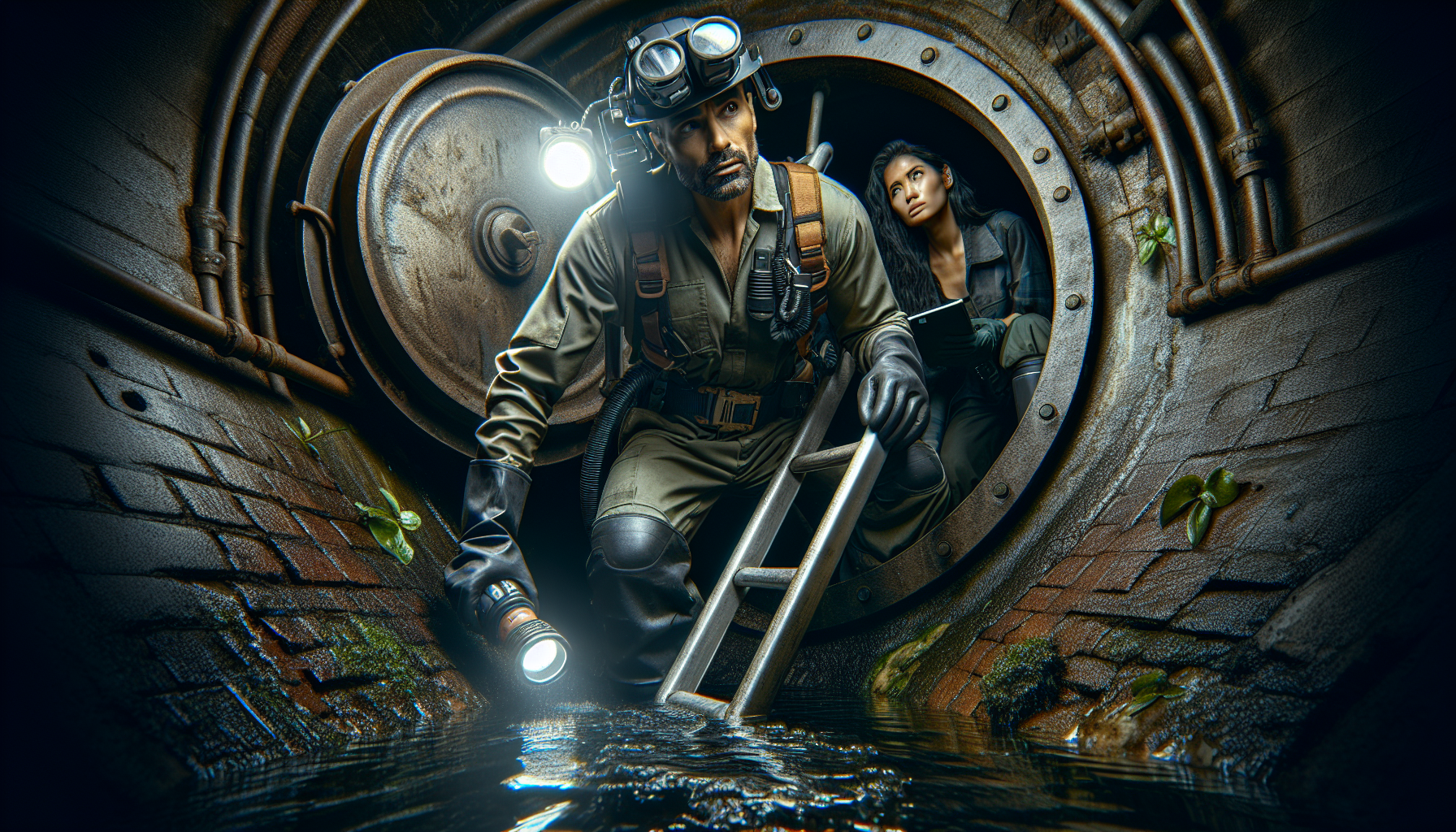
Maintaining and inspecting sewer systems is a crucial aspect of urban management, especially in historic cities like Wallace, Idaho. Regular sewer inspections are vital for ensuring the proper functioning of sewage systems, preventing blockages, reducing the risk of overflows, and avoiding potential environmental hazards. These inspections help in identifying issues such as cracks, root intrusions, and other structural problems that can lead to more serious complications if left unaddressed.
Technological Advancements in Sewer InspectionSewer inspection methods in Wallace have evolved over the years. Today, sophisticated technologies, including closed-circuit television (CCTV) cameras attached to remotely operated vehicles (ROVs), are utilized to perform in-depth inspections. CCTV allows for a comprehensive view of the subterranean network without the need for extensive digging, reducing surface disruption and saving both time and resources. With the aid of modern inspection equipment, precise locations and conditions of any damage or obstructions within the sewer pipes can be pinpointed with great accuracy.
Challenges Faced by Sewer Inspection TeamsSewer inspection teams in Wallace, like in any other city, face a myriad of challenges. Variable weather conditions can present significant hurdles, with heavy rains potentially flooding systems and making inspection difficult or impossible until water levels recede. Additionally, the aging infrastructure of older sewer systems often requires more careful handling and delicate inspection techniques to prevent damage during the process.
Environmental and Health ConsiderationsThe role of sewer inspections is not only to maintain infrastructure but also to protect the environment and public health. Sewage leaks or overflows can result in the contamination of local waterways, soil, and drinking water supplies. By conducting regular inspections, Wallace can ensure that its wastewater management practices meet environmental standards and safeguard the health of its residents and surrounding ecosystems.
Innovative Inspection Techniques Adopted in WallaceWallace has taken significant strides in adopting innovative inspection techniques tailored to its unique sewer system landscape. For example, the use of sonar in conjunction with CCTV cameras can detect anomalies in pipe flow, identifying underground issues that might not be visible on a camera alone. Additionally, Wallace may employ 3D mapping and geographic information systems (GIS) to create detailed representations of the sewer infrastructure, helping in planning and prioritizing future maintenance and repairs.
Public Involvement and EducationEducating the public about the importance of sewer maintenance and proper disposal of waste can reduce the burden on the sewer system. Wallace encourages residents to avoid disposing of fats, oils, and grease (FOG) down drains and to be mindful of what they flush. Policies on waste disposal, combined with community education efforts, are essential in preventing blockages and maintaining a healthy sewer system.
Conclusion: The Future of Sewer Inspection in WallaceLooking forward, the future of sewer inspection in Wallace is poised to become even more sophisticated. Through a combination of technological innovation, informed community practices, and dedicated maintenance, the city aims to enhance its sewage management. With proactive inspection and a commitment to environmental stewardship, Wallace is well situated to ensure the longevity and reliability of its sewer system for future generations.