Plumber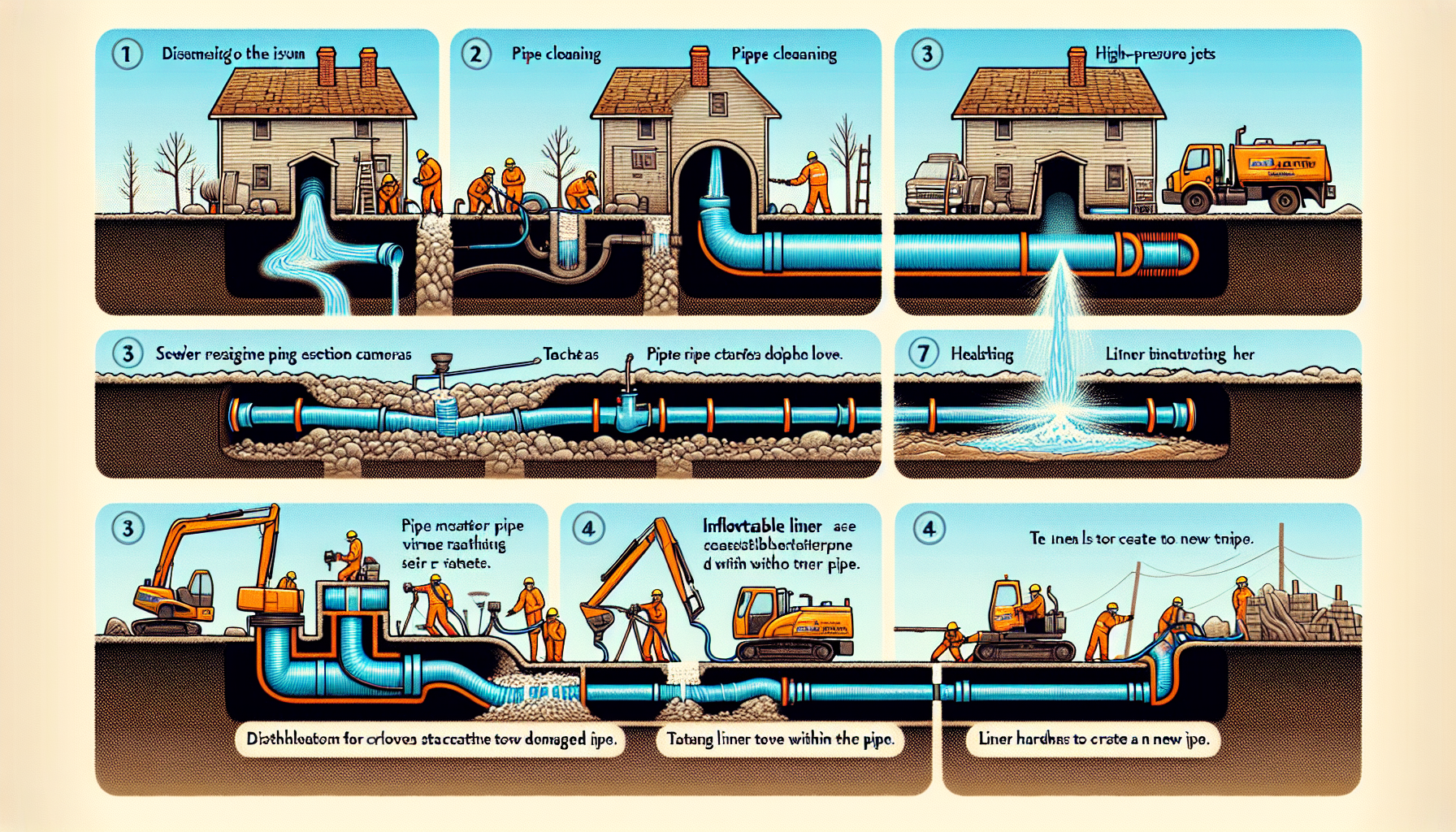
Introduction to Latah’s Sewer Challenges
Like many towns, Latah has faced significant infrastructure challenges, particularly concerning its aging sewer systems. Frequent clogs, leaks, and breaks have caused disruptions and environmental concerns, prompting city officials to look for efficient and cost-effective solutions. Traditional sewer repair methods have been disruptive, leading to dug-up streets, lengthy repairs, and inconvenienced residents and businesses. In response, Latah has turned to innovative trenchless repair techniques to address these issues with minimal disruption.
Understanding Trenchless Sewer Repair
Trenchless sewer repair is a modern method of repairing pipes without the need for extensive excavation. Instead of digging trenches, technicians use existing access points to repair the damaged pipes. There are two primary methods: Cured-in-Place Pipe (CIPP) and Pipe Bursting. CIPP involves inserting a resin-saturated liner into the old pipe, which is then hardened to form a new pipe within the old one. Pipe Bursting entails breaking the old pipe while simultaneously pulling a new pipe into place. Both methods are faster and less invasive than traditional methods.
The Benefits of Going Trenchless in Latah
Latah’s adoption of trenchless technology has several benefits. Firstly, it dramatically reduces the disruption to the community and local businesses, since roads and landscapes don’t need to be dug up. It also has environmental advantages; less excavation means reduced risk of pollutant leakage and lower carbon emissions due to less machinery use. Furthermore, trenchless repairs are often quicker to complete and more cost-effective in the long term due to less labor and restoration costs.
Latah’s Trenchless Success Stories
Latah has already encountered several successful implementations of trenchless sewer repairs. In one case, a critical sewer line running beneath a busy intersection was rehabilitated without impacting traffic, an undertaking that would have been impossible with traditional techniques. In another instance, a residential area with mature landscaping had its pipes repaired with no visible damage to homeowners’ cherished gardens. These success stories have bolstered support for further trenchless projects in the community.
Challenges and Considerations
While trenchless repair has been a boon for Latah, it is not without its challenges. The upfront cost of the technology and training can be significant, and not all types of pipe damage are suitable for trenchless repair. There’s also a need for extensive planning and assessment to ensure the most appropriate technology is used for each scenario. As Latah continues to refine its approach, lessons learned from each project are critical for ongoing success.
The Future of Sewer Repairs in Latah
As Latah looks to the future, trenchless sewer repair techniques will play a fundamental role in maintaining the town’s infrastructure. The municipality is keen on educating the public about the benefits and necessity of these methods. By investing in trenchless technologies and workforce training, Latah is positioning itself as a forward-thinking community that values innovation, cost efficiency, and minimal disruption to its residents’ daily lives.
In conclusion, Latah’s solution to its sewer woes showcases the significant advantages of trenchless repair techniques. As these methods continue to evolve and improve, Latah sets an example for other communities facing similar infrastructure challenges. The town’s commitment to modernizing its sewer system while mitigating inconvenience to its citizens is a testament to the practicality and effectiveness of trenchless repair solutions.