Spokane Rooter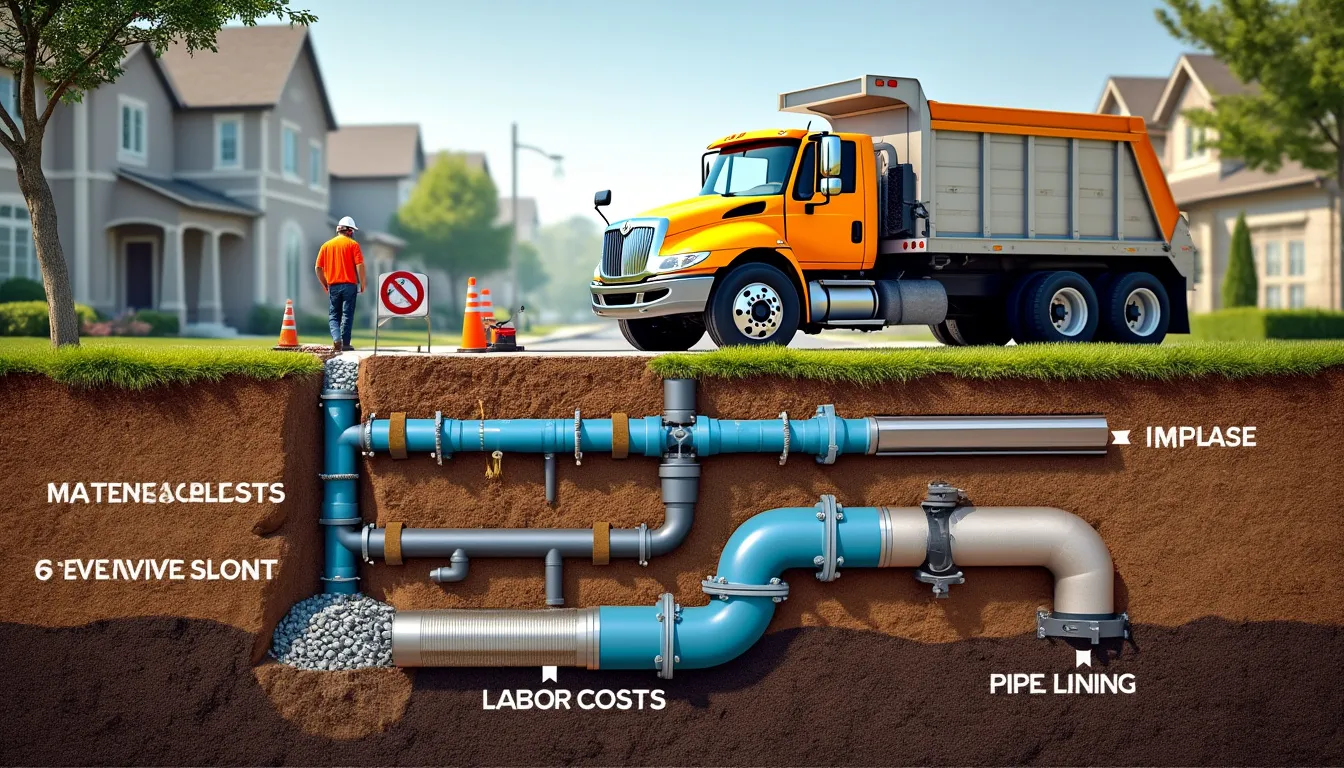
Understanding Cast Iron Sewer Line Replacement Cost
Ah, the joys of homeownership! The squeaky floors, the family gatherings, the constant worry about what might be lurking beneath the surface—literally. One of those things that can make even the steeliest of homeowners break out in a cold sweat is the sewer line, especially if you’re dealing with the classic, very elegant, but somewhat finicky cast iron variety. If you find yourself in need of replacing one of these bad boys, you’re probably wondering about the costs involved. It’s no secret that a cast iron sewer line replacement can be a significant expense. However, understanding the factors that influence the cost and learning some cost-effective strategies can help you navigate this challenge without too much stress.
Factors Influencing Cast Iron Sewer Line Replacement Cost
Replacing cast iron sewer lines is not simply about selecting new pipes and calling it a day. There are multiple elements at play that can significantly affect the final bill. Material costs alone can vary greatly depending on what type of modern pipes you opt for. But that’s just the tip of the iceberg. Labor expenses can also stack up quickly, especially if the sewer line is in a difficult-to-reach location or requires more extensive work due to the extent of damage or corrosion. And believe it or not, where you live can play a role too—prices can differ drastically based on regional labor rates and material availability. Let’s not forget additional services such as Trenchless Sewer Repair versus traditional excavation, both of which can change the scope and cost of the project.
Understanding these variables can not only prepare you for what’s coming but can also empower you to make informed decisions that might save money in the process. So, let’s roll up those sleeves and dive a bit deeper into the myriad of factors at play in the world of cast iron sewer line replacement costs.
Factors Influencing Cast Iron Sewer Line Replacement Cost
Thinking about replacing your cast iron sewer line? It’s important to know that the cost isn’t set in stone. A variety of factors can influence the overall expenses you’ll face. Let’s explore these in detail, so you’re better prepared for what to expect.
Material Costs: More Than Just Cast Iron
When you’re dealing with cast iron sewer line replacements, material costs play a significant role. The price of cast iron has fluctuated over the years, largely due to supply and demand dynamics. However, it’s not just about the raw material itself. You also need to consider other components necessary for installation, such as fittings, connectors, and sealing materials, which can add up quickly. Plus, if you’re opting for an alternate material like PVC or HDPE, the costs can vary quite a bit.
Labor Expenses: Skilled Work Means Skilled Wages
Let’s face it, digging up and replacing sewer lines is not a DIY job for the average homeowner. The labor involved is another pivotal cost factor. You’re paying for skilled professionals who know their pipes, literally and figuratively. Labor costs can fluctuate based on the region and the expertise required. Typically, technicians with specialized skills, especially those versed in Trenchless technology, might command higher fees. But this expertise is crucial for ensuring the job is done right, minimizing costly mistakes and disruptions.
Location-Based Price Variations
Surprisingly, geography can have a big impact on your bottom line. If you live in a bustling urban area, costs might steepen due to increased labor charges and permits. On the other hand, rural areas might incur additional fees due to the increased difficulty of accessing sewer lines over long distances. Also, if your property is located in a region with tougher terrain, expect to spend more on specialized equipment and labor efforts to navigate these challenges.
Condition of the Existing Sewer Line
Here’s where the story of your current sewer line really matters. The extent of damage or corrosion in your existing line will directly impact replacement costs. A line riddled with cracks and leaks may require more extensive work or a complete overhaul. However, if some sections remain in decent shape, a more targeted replacement might suffice, which can help keep costs down. A detailed inspection by a professional can help assess the condition accurately, giving a clearer picture of the expenses ahead.
Additional Services: Trenchless Repair vs. Excavation Costs
Once you start digging—literally or figuratively—you might uncover additional services necessary to complete the job. One popular alternative to digging trenches (which can tear up your yard, garden, or driveway) is opting for Trenchless Sewer Repair methods. These can often be less disruptive and more cost-effective in the long run, though they may require a higher upfront cost for the technology and skilled labor involved. In contrast, traditional excavation might seem cheaper initially but consider the restoration costs for landscaping and even hardscaping afterwards.
In summary, understanding the factors influencing cast iron sewer line replacement costs can arm you with the knowledge to better plan and budget for this essential home improvement task. Whether it’s the choice of materials, the expertise of the workforce, or the inherent condition of your existing sewer system, each element will play its part in dictating the final expense. As you gather quotes and consult with professionals, keeping these considerations in mind will help ensure you make informed, cost-effective decisions.
Cost-Effective Strategies for Replacing Cast Iron Sewer Lines
If you’re a homeowner navigating the complexities of cast iron sewer line replacement, you might be wondering how to manage costs without compromising on quality. Replacing these aging pipes can feel daunting, both financially and logistically. However, with a strategic approach, you can make informed decisions that ease the financial burden while ensuring you get the most out of your investment. Let’s delve into some practical tips and insights that can help.
Explore Different Replacement Methods and Materials
One of the smartest ways to manage your cast iron sewer line replacement cost is by thoroughly exploring the available replacement methods and materials. Traditionally, replacing sewer lines involved digging trenches, which can be costly and disruptive. Today, Trenchless technology offers a less invasive alternative. Although the upfront cost of Trenchless methods can be higher than traditional digging, they can save you money in repairs and landscaping over time.
Materials also play a crucial role in your decision-making process. PVC and HDPE pipes are popular choices due to their durability and cost-effectiveness. They are resistant to corrosion and have a lifespan of several decades. While opting for cheaper raw materials might seem appealing, consider the long-term benefits and maintenance requirements. Investing in high-quality materials might mean a higher initial outlay but can lead to fewer issues down the line, ultimately reducing your long-term expenses.
Maximize Cost Savings with Careful Planning
Planning ahead can significantly reduce your cast iron sewer line replacement cost. Begin by confirming the extent of the damage with a professional assessment. This can prevent unnecessary work and expenditures. If the lines are not entirely compromised, spot repairs might be a viable and cost-effective option instead of full replacement.
Additionally, it’s essential to seek multiple quotes. Prices can vary significantly from one contractor to another, and a little bit of homework can save you a considerable amount of money. Don’t hesitate to ask contractors about their methods, projected timelines, and any potential hidden costs. Transparency is key, and their responses can help you make a more informed choice.
Take Advantage of Financing and Rebates
Financing options can be a lifesaver when you’re staring down a hefty cast iron sewer line replacement cost. Some contractors offer financing plans with manageable monthly payments. It’s also worth checking if your homeowners’ insurance policy covers any part of the sewer line replacement—it’s a long shot, but assistance may be available in certain cases.
Government rebates and local utility programs are often overlooked resources. In some areas, these programs provide financial incentives for homeowners who upgrade to more efficient systems. Don’t forget to research these options before initiating your project, as they could significantly offset your expenses.
Nurturing Relationships with Industry Professionals
Building relationships with knowledgeable professionals can be incredibly beneficial. Contractors and plumbers not only provide immediate assistance but can also offer guidance tailored to your specific needs and budget. They can inform you about ongoing maintenance practices that keep your sewer system functioning optimally, potentially extending the life of your new pipes and averting future replacements.
Moreover, contractors familiar with local regulations can help you avoid fines and additional charges associated with non-compliance, which can further stretch your budget. Leveraging their expertise can keep costs down while ensuring the project is conducted safely and up to code.
Evaluate the Pros and Cons of DIY Solutions
While it’s tempting to embark on a DIY journey to cut down on cast iron sewer line replacement costs, it’s important to tread cautiously. Minor fixes could be feasible if you have plumbing experience. However, missteps in sewer line work can lead to significant and costly damage. Always weigh the risks against potential savings. For major replacements, hiring professionals is usually the safest and most efficient choice.
At the end of the day, managing the cost involved in replacing your cast iron sewer lines involves a combination of diligent research, strategic decisions, and leveraging available resources. By considering these strategies, you not only address your current needs but also position yourself more favorably for the future, ultimately creating a win-win scenario for your home and wallet.
Understanding the Long-Term Value of Cast Iron Sewer Line Replacement
When faced with the prospect of replacing cast iron sewer lines, it’s easy to focus solely on the immediate costs. However, considering the long-term value of such a replacement can transform this seemingly daunting expenditure into a worthwhile investment in your property and peace of mind. Let’s dive into the ways this replacement not only enhances your home today but also prepares it for tomorrow.
Reduced Maintenance Costs and Improved Sewage Flow Efficiency
One of the most compelling reasons to consider this investment is the reduction in future maintenance costs. Old cast iron pipes are notorious for causing headaches due to corrosion, frequent blockages, and leaks. These issues not only require continuous financial outlay but also mean repeated disruptions to your normal household activities. By opting for a replacement with modern materials, you’re essentially cutting down on these recurrent problems, leading to a smoother, more reliable sewage flow.
Nowadays, materials like PVC or HDPE pipes are common choices that offer durability and resistance against corrosion and root intrusions. These modern pipes often come with smooth interiors that enhance flow efficiency, reducing the risk of clogs and further maintenance interventions. When you calculate the money saved on repairs over the lifespan of your new sewer system, the initial cost becomes a more palatable figure.
Increased Property Value
Replacing a cast iron sewer line isn’t just a fix—it’s an upgrade. Homebuyers today are more informed and cautious about hidden problems in potential homes, and outdated plumbing is often a red flag. A newer, more efficient sewer line can enhance your home’s resale value. It signals to prospective buyers that significant infrastructural upgrades have been made, removing one big worry out of the home ownership equation.
Certain areas even note this upgrade as part of property inspections, potentially affecting appraisals. Thus, what might feel like an enormous cost at one moment often pays off when it increases your home’s appeal and market price.
Prevention of Future Plumbing Emergencies and Environmental Impacts
Old cast iron pipes can lead to serious plumbing emergencies such as burst pipes or severe blockages, which can cause significant property damage and result in high repair bills. By replacing these outdated lines, you substantially mitigate the risk of such disasters, offering peace of mind.
Additionally, this replacement is beneficial for the environment. Corroded pipes are more likely to leak, potentially contaminating surrounding soil and water sources. Newer pipes, with their superior integrity, significantly reduce the risk of harmful leaks, thereby protecting against environmental degradation.
Case Studies and Success Stories
To truly understand the impact of this investment, let’s look at a couple of success stories that illustrate the long-term advantages of undergoing a sewer line replacement.
Case Study 1: The Johnsons’ Preventive Approach
The Johnson family decided to overhaul their plumbing system after experiencing frequent backups and slow drainage. By investing in a full replacement with PVC pipes, they noticed an immediate difference in water flow efficiency. More importantly, seven years down the line, they haven’t had to call for repairs, making the initial investment worthwhile. Their home, once plagued with plumbing issues, is now a low-maintenance haven.
Case Study 2: Green Estates Condominium Complex
In a large-scale example, the Green Estates community undertook the replacement out of necessity when several units experienced simultaneous sewer issues. The project not only resolved the problems but significantly increased the property’s value. These environmental upgrades made the complex more attractive to eco-conscious buyers, who valued the sustainable step forward.
In both cases, the proactive approach to replacing cast iron sewer lines resulted in smoother operations, happier residents, and enhanced property values. It’s proof that looking at this issue through a long-term lens can lead to substantial benefits.
In weighing the cast iron sewer line replacement cost, these qualitative benefits make a compelling case. It’s about much more than just spending money today; it’s about making a tangible investment in the quality, safety, and value of your home that pays dividends far into the future. So, while the upfront costs might seem steep, the long-term gains are often worth their weight in gold.
Conclusion: Navigating the Journey of Cast Iron Sewer Line Replacement
As we wrap up our deep dive into the world of cast iron sewer line replacement costs, it’s clear that there’s more to consider than just the initial price tag. The myriad of factors such as material costs, labor, and those pesky location-based price variations all play a role in the final bill. It’s not just about the numbers, though—the condition of your existing lines can turn a straightforward replacement into a more complicated (and costly) endeavor. Throw in some additional services like Trenchless repairs or extensive excavation, and you’ll see how quickly things can add up.
But fear not! Homeowners have some strategies up their sleeves to keep those costs manageable. By exploring different methods, from traditional excavation to the increasingly popular Trenchless techniques, you can find a solution that fits both your needs and budget. The materials you choose are just as important; modern options boast greater efficiency and longevity, often at a reduced cost. And don’t forget to check for rebates or financing options that might ease the financial burden.
Embracing the Long-Term Benefits
Looking beyond the immediate costs, the investment in replacing those old, tired cast iron sewer lines arguably pays dividends in the long run. Improved sewage flow and reduced maintenance are just the surface-level perks. With a new system in place, homeowners can expect increased property value and far fewer headaches from unexpected plumbing issues or environmental harm. The stories and case studies speak for themselves: a smart, upfront investment often leads to years of smooth sailing.
So, as you consider your approach to cast iron sewer line replacement, keep these insights close at hand. With careful planning and an eye toward the future, you can navigate this essential home maintenance task with confidence and expertise.