Spokane Rooter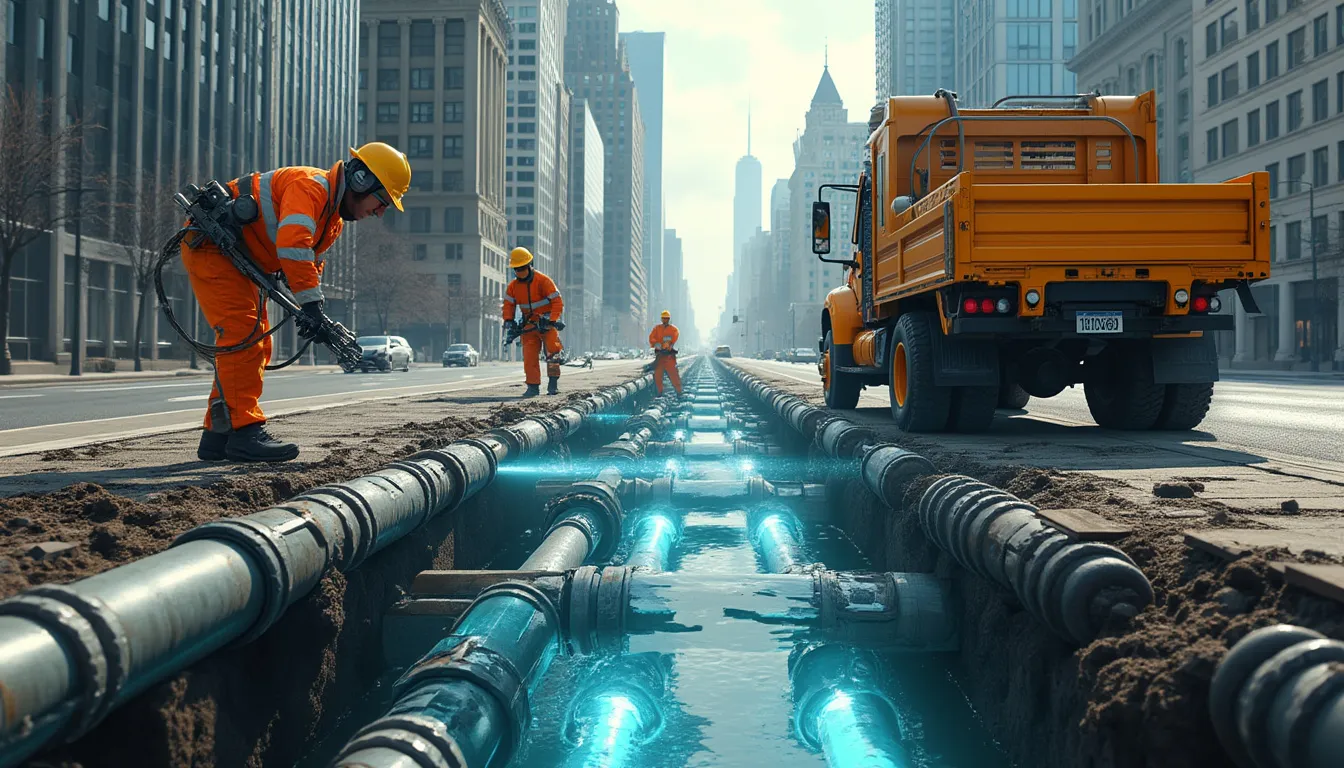
Exploring the Benefits of Trenchless Cast Iron Pipe Repair Techniques
In the constantly advancing realm of infrastructure management and maintenance, Trenchless cast iron pipe repair has emerged as a revolutionary approach. This method is not just a fleeting trend; it represents a significant shift in how we approach the repair and rehabilitation of aging pipe systems worldwide. With cities becoming more crowded and environmental concerns intensifying, the demand for efficient, non-invasive solutions has never been more pressing.
Understanding Trenchless Cast Iron Pipe Repair: Methods and Technologies
Diving into the world of Trenchless cast iron pipe repair opens up a wealth of innovative techniques designed to improve efficiency and precision. Notable among these are methods like Cured-In-Place Pipe (CIPP), Pipe Bursting, and Slip Lining. These cutting-edge approaches capitalize on the latest technologies, allowing for repairs that are not only seamless but significantly less disruptive compared to traditional digging and replacement methods.
Imagine repairing critical infrastructure without uprooting entire sections of pavement or landscaping—this is what Trenchless technology offers. It’s a stark contrast to the old-school excavation methods, which often led to extended downtimes and considerable inconvenience to both the environment and communities. Moreover, these advanced techniques are a testament to how far the industry has come, marrying technology with practicality in the service of infrastructure rehabilitation.
Understanding Trenchless Cast Iron Pipe Repair: Methods and Technologies
An Overview of Trenchless Cast Iron Pipe Repair Techniques
Ah, the fascinating world of pipe repair! If you’ve ever had the misfortune of dealing with old or broken cast iron pipes, you know the disruption traditional repair methods can bring. Enter Trenchless technology—a modern-day hero for repairing cast iron pipes without turning your yard into a construction site. Let’s dive into the key methods that make up this innovative approach: Cured-In-Place Pipe (CIPP), Pipe Bursting, and Slip Lining.
Cured-In-Place Pipe (CIPP)
CIPP is like giving your pipes a brand-new lining without replacing the whole shebang. This technique involves inserting a flexible Liner soaked in resin into the damaged pipe. Once in place, heat or UV light cures the resin, forming a solid, seamless line that renews the internal surface. It’s ideal for pipes with cracks or corrosion because it molds perfectly, reducing further risks of leaks.
Pipe Bursting
Pipe bursting, meanwhile, is perfect for those pipes that are just…done. It involves breaking the old, damaged pipe apart and simultaneously installing a new pipe in its place. Think of it as the construction world’s version of out with the old, in with the new. This method not only minimizes landscape disruption but also allows upsizing the pipe if needed.
Slip Lining
Slip lining is one of the oldest methods in Trenchless tech, and it’s a classic for a reason. This involves inserting a smaller diameter pipe into the existing one. While it slightly reduces the internal pipe diameter, it’s an effective method for stabilizing and strengthening existing structures. It’s a bit like adding a sturdy inner tube to an old, worn-out tire.
The Latest Technologies and Tools in Trenchless Repair
Trenchless cast iron pipe repair isn’t just about these handy methods; it’s also heavily reliant on the latest technologies and tools, which significantly impact efficiency and precision. Advanced techniques such as robotic cutters and cameras allow for detailed inspections, rendering a precise understanding of the internal state of the pipes before starting any repair work.
Moreover, modern resin formulations and curing techniques have drastically improved the speed and reliability of repairs. Whether through steam curing or UV light systems, these technologies ensure a rapid turnaround and long-lasting repairs. These advancements are transforming what once was a lengthy process into a swift operation with minimal mess.
Comparing Modern Approaches to Traditional Excavation Methods
Traditional methods of pipe repair conjure images of extensive digs and mounds of earth, typically leading to prolonged inconvenience and costs. In stark contrast, Trenchless solutions offer a breath of fresh air. With minimal digging required, there’s less disruption to roads, gardens, and daily life. Instead of weeks, repairs using Trenchless methods can be completed in a matter of days, sometimes even hours.
Beyond convenience, these methods are much safer for workers, eliminating the risks associated with deep trench work. So, goodbye to the bulldozers and torn-up lawns, and hello to an environmentally friendly, cost-effective, and efficient way to keep those water and sewer systems flowing smoothly.
Environmental and Economic Advantages of Trenchless Cast Iron Pipe Repair
Environmental Benefits of Trenchless Cast Iron Pipe Repair
In the realm of modern infrastructure maintenance, one of the standout features of Trenchless cast iron pipe repair is its impressive environmental friendliness. Unlike traditional methods that often involve extensive excavation, Trenchless techniques significantly reduce the disruption to landscapes. The old way of digging up vast stretches of land not only altered the natural environment but also disrupted local ecosystems. With Trenchless methods, the impact is minimized, ensuring that trees, gardens, and wildlife habitats are largely unaffected.
Moreover, the reduced need for heavy machinery leads to a notable decrease in the carbon footprint. Traditional repairs often involve earth-moving equipment that consumes a substantial amount of fuel, not to mention generating noise and air pollution. By adopting Trenchless technologies, towns and cities can significantly cut down on these emissions. It’s an environmentally conscious choice that aligns well with global efforts to reduce carbon footprints and combat climate change.
Economic Benefits of Trenchless Cast Iron Pipe Repair
The monetary savings affiliated with Trenchless cast iron pipe repair are equally noteworthy. One of the most compelling economic advantages is the reduction in labor costs. Traditional pipe repair can be labor-intensive, often requiring a large crew to manage the dig-and-replace process. Trenchless methods, however, streamline operations, often requiring fewer workers and less time. This efficiency translates directly into reduced labor expenses.
Additionally, because Trenchless technology significantly diminishes the need for excavation, there is less property damage to contend with. This means fewer reparations and compensation costs for affected properties, which is a significant financial relief for both contractors and property owners. The restoration of roads, sidewalks, and landscapes is minimized, further contributing to cost-effective outcomes.
The quick nature of Trenchless repairs also means that project timelines are much shorter. This speediness not only curtails labor costs but also reduces the economic disruption to local communities and businesses. Roads don’t remain closed for extended periods, and businesses can continue operating with minimal interference. The faster completion times are a boon to city planners and residents alike, who all benefit from minimized inconvenience and disruption.
Real-World Examples and Data on Economic and Environmental Impact
To understand the tangible benefits of Trenchless cast iron pipe repair, let us consider a few real-world examples. For instance, a city in the Midwest recently reported savings of over $500,000 in a single project by opting for Trenchless technology over traditional methods. The savings were attributed to decreased labor costs, fewer materials needed for surface repair, and less time required to complete the project.
In another case, a community in the Pacific Northwest observed a reduction in carbon emissions by 30% as a result of using Trenchless methods. The community reported that their project not only stayed within budget but was also completed in half the time when compared to traditional dig-and-replace options. This speedy completion helped reduce traffic disruptions and allowed local businesses to continue operations almost uninterrupted.
A national study on large-scale plumbing projects highlighted how Trenchless repairs can lead to long-term savings. On average, studies have shown that Trenchless repair methods can reduce total project costs by 20-30% relative to traditional methods. Moreover, communities and planners took note of the decreased environmental impact, using these projects as benchmarks for sustainable development and repairs.
Beyond the immediate financial and environmental savings, these examples show how Trenchless cast iron pipe repair techniques can become an integral part of modern urban infrastructure planning. As society shifts towards more sustainable practices, Trenchless methods lead the way in not just preserving the environmental heritage but also ensuring economically sensible infrastructures.
In summary, embracing Trenchless cast iron pipe repair methods presents a dual advantage: environmental sustainability and economic efficiency. The reduced ecological footprint and cost-saving potential make it an appealing option for urban planners and contractors alike, ultimately setting a precedent for future infrastructure endeavors worldwide.
Enhancing Longevity and Reliability with Trenchless Cast Iron Pipe Repair
When it comes to maintaining robust infrastructure, ensuring the longevity and reliability of cast iron pipes is crucial. As the backbone of many plumbing and sewage systems, these pipes must withstand significant wear and tear over time. Thankfully, Trenchless cast iron pipe repair techniques offer innovative solutions that strengthen these systems, ultimately prolonging their lifespan. Let’s dive into how these cutting-edge methods make a notable difference.
The Role of Trenchless Technologies in Durability
One of the primary benefits of adopting Trenchless cast iron pipe repair methods is the enhancement of pipe durability. Techniques like Cured-In-Place Pipe (CIPP) introduce a new lining inside the original pipe, essentially creating a new pipe within a pipe. This not only reinforces the structure but also seals cracks and leaks, which are common issues that lead to pipe deterioration.
Similarly, pipe bursting methods replace the old pipe altogether without resorting to traditional digging techniques. The new pipe, often made from high-density polyethylene (HDPE), offers increased resistance to corrosion and root intrusions, common enemies of cast iron. As a result, Trenchless repairs offer a significant upgrade over traditional methods, which might only provide temporary fixes without addressing underlying structural vulnerabilities.
Preventive Measures and Maintenance Strategies
Trenchless cast iron pipe repair doesn’t end at the repair stage; it opens the door to improved maintenance strategies. The use of materials with higher resistance to corrosion and external factors means that follow-up maintenance can be more effective in prevention rather than just treatment.
Incorporating preventive maintenance strategies, such as regular inspections and cleanings, can dramatically extend the life of a Trenchless-repaired cast iron system. For instance, using remote camera inspections allows technicians to monitor the condition of pipes without invasive procedures, leading to efficient interventions when necessary. Aligning such strategies with Trenchless repairs ensures that minor issues don’t escalate into costly damages.
Addressing Concerns: Longevity in Focus
Many property owners and stakeholders have concerns about whether Trenchless solutions truly stand the test of time. The question of longevity is quite justified—after all, the financial and logistical commitment to pipe repair is significant. However, when executed correctly, Trenchless cast iron pipe repair techniques consistently demonstrate impressive long-term performance.
Experts often note that pipes restored using Trenchless methods can last as long as or even longer than new pipes, given the added protective layers and modern materials used. Moreover, their ability to withstand common threats such as earth movement and chemical corrosion is well-documented, providing peace of mind that the initial investment promises sustainability.
Success Stories and Real-world Applications
Throughout various communities, the implementation of Trenchless cast iron pipe repair solutions has proven successful, both in terms of immediate outcomes and extended pipe life. For example, a well-documented case in a mid-sized American city demonstrated how CIPP repairs eliminated chronic leakage issues in a century-old water system, ultimately saving the city thousands in water loss and infrastructure repair costs.
Similarly, a suburban municipality faced with frequent pipe collapses due to growing root intrusions found relief in pipe bursting methods. By completely replacing the deteriorated pipes with high-quality alternatives, not only were future collapses prevented but the community also benefited from a more reliable water supply, vital for day-to-day operations.
These success stories highlight the practical benefits and reliability enhancements achieved through Trenchless cast iron pipe repair techniques, reinforcing their value as a long-term infrastructure repair solution.
In conclusion, Trenchless cast iron pipe repair methods not only offer immediate improvement but also extend the life and reliability of existing infrastructure. By combining robust technologies, preventive maintenance, and strategic planning, these modern repairs promise a sustainable future for our vital plumbing networks. Embracing these innovations today ensures we’re building an infrastructure ready to handle the demands of tomorrow.
Conclusion: Embracing the Future with Trenchless Technology
And there you have it – Trenchless cast iron pipe repair techniques are not just a trend; they’re a transformative shift in how we approach essential underground infrastructure maintenance. By now, we’ve explored the major methodologies like Cured-In-Place Pipe (CIPP), Pipe Bursting, and Slip Lining, each offering cleaner, faster, and more efficient alternatives to the age-old dig-and-replace method. These modern marvels of engineering not only minimize the headaches of excavation but also introduce a new age of precision and efficiency powered by cutting-edge technology.
The Green and Gold of Trenchless Solutions
The environmental gains cannot be overstated. Trenchless solutions significantly cut down on the environmental toll, from protecting landscapes to slashing carbon emissions. The economic advantages are equally compelling – when you factor in lower labor costs, reduced property damage, and faster completion times, the financial savings are substantial. Our exploration of real-world evidence showcases just how tangible these benefits are, presenting Trenchless repair as a win-win for both the planet and the wallet.
Sustaining Reliability and Extending Lifelines
Furthermore, the technological advances we’ve discussed aren’t just about immediate fixes; they ensure the long-term integrity of our cast iron pipe networks. By enhancing pipe longevity and reliability, Trenchless methods effectively set the stage for proactive maintenance strategies that minimize future disruptions and repairs. Addressing common skepticism, we’ve highlighted expertise and success stories that underscore the enduring value of these advanced approaches.
In wrapping up, it’s clear that investing in Trenchless cast iron pipe repair is not just a choice but a necessity for modern infrastructure upkeep. This approach doesn’t merely patch up the past but paves a pathway to a sustainable, economical, and efficient future. As we close this chapter on Trenchless innovations, remember it’s not just about fixing pipes; it’s about building robust communities and environments, one seamless solution at a time.