Spokane Rooter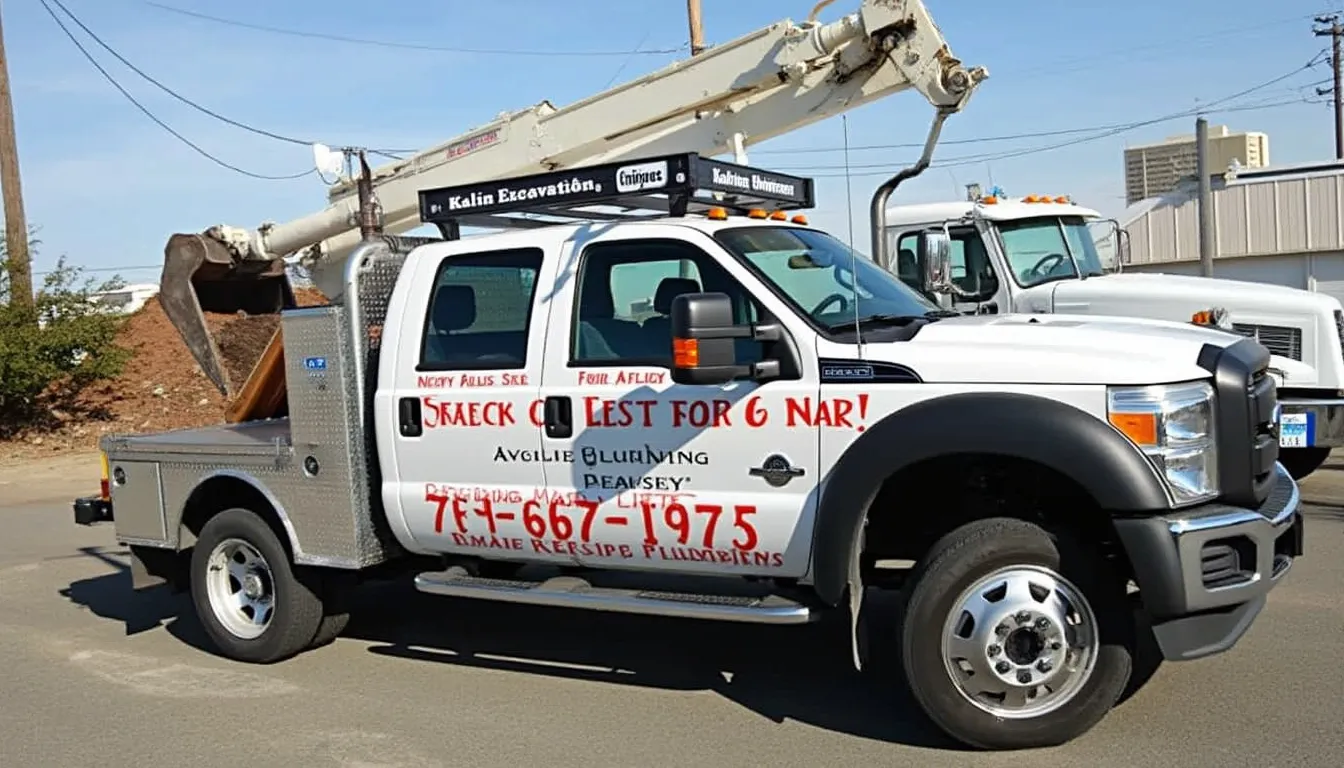
The Sewer Pipe Relining Process
Sewer pipe relining is a revolutionary technique within the plumbing industry that has transformed the way damaged pipes are repaired. Unlike traditional methods, this approach uses a trenchless technique that allows for the repair of pipes without the need for extensive digging. The process involves inserting a flexible, resin-coated liner into the damaged pipe which is then inflated to fit snugly within the existing structure. Once the resin hardens, it forms a durable new pipe within the old one. This not only restores functionality but also enhances the strength of the existing infrastructure.
Benefits of Trenchless Sewer Repair
The benefits of trenchless sewer repair are numerous and significant. One of the primary advantages is the minimal disruption it causes to properties. Traditional methods often require extensive digging, which can disrupt landscaping and infrastructure. In contrast, trenchless techniques maintain the integrity of landscapes and structures. Furthermore, the process is efficient and typically completed within a day or two, reducing the inconvenience and downtime usually associated with sewer repairs. The materials used, known for their durability, ensure that the relined pipes last for decades, often outlasting the original pipes.
Kalin Excavation’s Technological Advancements
Kalin Excavation, known for its expertise in both trenchless and traditional excavation services, has taken significant steps to stay ahead by incorporating advanced lining technologies. By updating their capabilities, they can now undertake relining projects starting from basements, thereby offering more comprehensive solutions that cater to a broader range of needs. This enhanced flexibility allows them to adapt to various pipeline scenarios, ensuring that more structures can benefit from the innovative trenchless approach.
Environmental and Economic Considerations
The ecological and economic advantages of trenchless sewer repair cannot be overstated. This method requires far fewer resources and results in substantially less environmental damage compared to conventional excavation techniques. For homeowners and businesses, it means preserving property value by keeping their yards and landscaping intact. The reduced environmental footprint aligns with the growing industry trend towards sustainable solutions, addressing the global demand for reducing waste, disruptions, and carbon emissions associated with infrastructure rehabilitation.
The Emerging Market and Industry Trends
The trenchless pipe rehabilitation market is on a growth trajectory, currently valued at nearly $2 billion, with projections reaching up to $3 billion by the end of this decade. This growth is fueled by the urgent need to rehabilitate aging water and sewer lines worldwide. As the industry expands, the demand for expertise in handling these advanced techniques becomes evident. Companies such as Kalin Excavation, with their 30 years of experience, are well-positioned to lead this charge offering valuable insights and services that align with evolving infrastructure needs.
Customer Trust and Satisfaction
Kalin Excavation has built a reputation over the years not just on their technical expertise, but equally on customer satisfaction. Their commitment to delivering excellent work at competitive prices while ensuring minimal disruption has earned them high recommendations from customers and recognition from local authorities. As the industry burgeons, maintaining this trust will be critical, particularly in ensuring that health and safety standards are upheld during installations, especially considering the potential fume release during the resin-curing process. Strategic planning and robust safety measures are thus indispensable to maintaining operational integrity and customer trust.