Plumber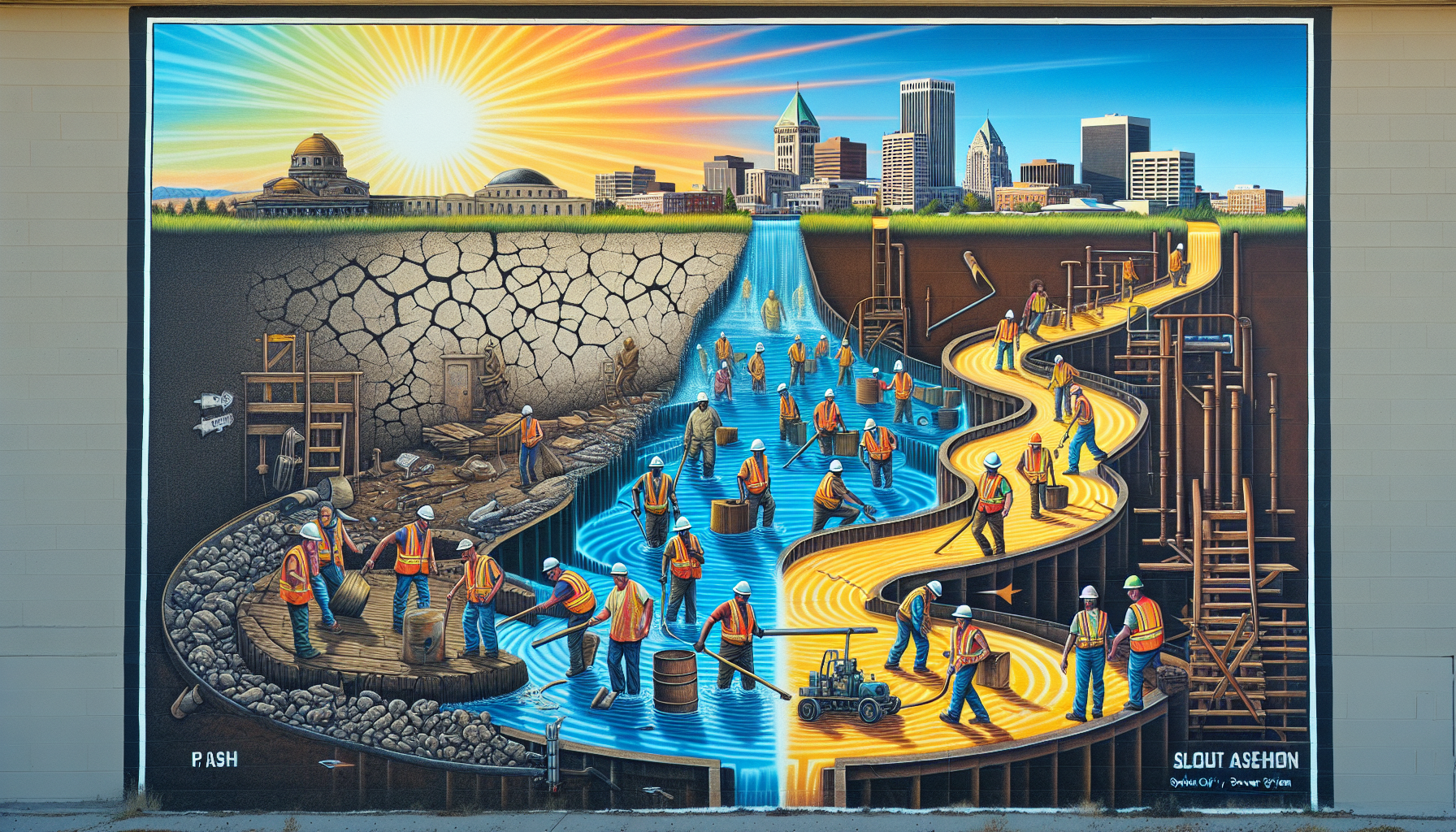
Spokane, nestled in the picturesque state of Washington, faced a sewer saga that began quietly, then erupted into a full-blown infrastructure crisis. For decades, the city relied on an aging network of pipes and sewage systems. Residents were mostly oblivious to the complexities underground, that is until minor annoyances burgeoned into disruptive, and sometimes hazardous, complications. Pavements cracked, basements flooded, and waterways became tainted, bringing to light the urgent need for change in an overtaxed system.
Material Innovation to the RescueTo address the burgeoning problem, Spokane turned to material advances as a beacon of hope. The spotlight fell on the potential of new composite materials and trenchless technologies to renew the existing infrastructure. These innovative materials, including high-density polyethylene (HDPE) and cured-in-place pipe (CIPP) liners, offered longevity and resistance to the corrosive effects of sewer environments, as well as a reduced need for disruptive excavation.
The introduction of these cutting-edge solutions was met with great enthusiasm; the materials held promises of increased durability and less frequent need for maintenance, translating into fewer headaches for residents and city officials alike. Notably, the sewer improvements began to drastically reduce the instances of overflows during heavy rainfalls, a frequent woe for Spokane’s denizens.
Economic and Environmental ConsiderationsThough the benefits of material advancements were clear, they did not come without cost. Initial investments for the upgraded infrastructure proved to be substantial. The economic burden raised concerns among taxpayers, with some questioning whether the benefits justified the costs.
Yet, when weighed against environmental factors, the argument for upgrades gained solid ground. Traditional sewer repair and replacement methods were often disruptive to landscapes and ecosystems; advanced materials and methods alleviated much of this impact. The sewer revamp thus had an extended payoff not just in preventing property damage and inconvenience but also in preserving Spokane’s natural beauty.
Impact on Residents’ Daily LivesThe overhaul of Spokane’s sewage system touched the lives of residents in palpable ways. With the deployment of robust materials, disruptions in service became a rarity. Where once sewer issues would hinder city life, stories of distress morphed into anecdotes of the past. These advancements brought a new sense of confidence and pride among the populace regarding their city’s infrastructure.
In addition, the transparency and communication about the project milestones helped in cultivating a supportive community atmosphere. Increased awareness of the importance of proper waste disposal and the adverse effects of putting the wrong materials down the drain became a collective consciousness among Spokane’s inhabitants.
Looking Forward: The Future of Spokane’s SewageSpokane’s journey through its sewer saga became a case study for other cities grappling with similar issues. As the city moves forward, continuous monitoring and adaptation to the latest material science developments will be critical. Additionally, the need for ongoing public education about the sustainable use of the sewage system remains high on the agenda.
The lessons of the past, married with the technology of the present, have set Spokane residents on a course towards a cleaner, safer, and more efficient future. As material technology continues to evolve, the potential for further improvements offers an exciting horizon for urban infrastructure management, with Spokane leading the way as a beacon of progress. The sewer saga, once a source of distress, now tells a story of innovation and improvement, enriching the history and the day-to-day lives of those who call this vibrant city their home.