Plumber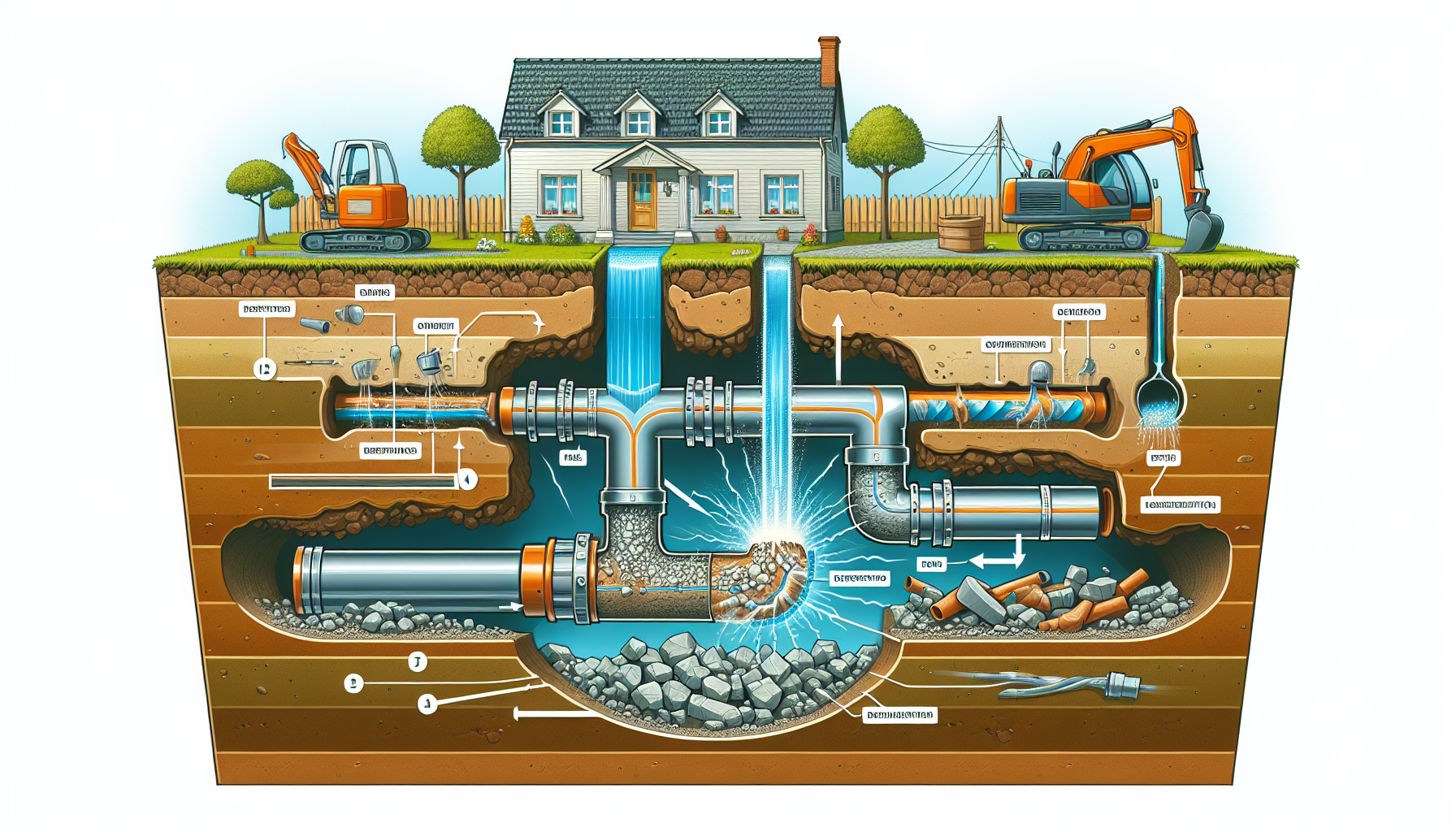
Trenchless sewer replacement is a modern method of rehabilitating or repairing underground pipelines without the need for extensive excavation. This technology presents an efficient alternative to traditional “dig and replace” sewer work, causing minimum disruption to the surface, including roads, landscaping, and structures. By eliminating the need for trench digging, the trenchless method offers a quicker, more cost-effective, and environmentally friendly solution for maintaining municipal and residential sewer systems.
The Need for Trenchless TechnologySewer lines can deteriorate over time due to corrosion, blockages, or damage from tree roots and ground movement. Traditionally, replacing these pipes would mean digging up large sections of ground—a process both time-consuming and destructive. Trenchless sewer replacement arose from the need to repair pipes efficiently and with minimal surface disturbance. This technology is not only preferred for urban areas congested with infrastructure but is also beneficial in preserving the aesthetics of landscaped properties and reducing the repair time.
Methods of Trenchless Sewer ReplacementSeveral trenchless repair methods are available today, each suitable for different situations:
Cured-In-Place Pipe (CIPP): This method involves inserting a resin-saturated liner into the old pipe. Once in place, the liner is cured using heat or UV light, creating a “pipe within a pipe.” CIPP is highly versatile and can be used for pipes with diameters ranging from a few inches to several feet.
Pipe Bursting: For pipes that are too damaged for relining, pipe bursting is a viable option. A bursting head is pulled through the old pipe, fracturing it outward while simultaneously pulling a new pipe into place. Pipe bursting is particularly useful for replacing pipes with severe damage or those that need upsizing.
Slip Lining: During slip lining, a smaller, “carrier pipe” is inserted into the existing pipeline and then grouted into place. This method reduces the inner diameter of the pipe but can be a quick fix for certain applications.
Horizontal Directional Drilling (HDD): HDD is often used for installing new sewer lines rather than repairing old ones. This technique involves drilling a pilot bore along a predetermined path and then enlarging the hole to pull through the new pipe.
Advantages of Trenchless Sewer ReplacementTrenchless technology offers many benefits compared to traditional excavation methods:
Reduced Impact on Surroundings: Little to no digging means less disruption to landscapes, hardscapes, and traffic.
Faster Repairs: Projects can often be completed in a fraction of the time required for trench digging, minimizing community and homeowner inconvenience.
Cost-effectiveness: Trenchless repairs generally require less labor and less restoration of the affected areas, resulting in cost savings.
Environmental Considerations: With less surface disruption, trenchless methods reduce the amount of construction waste and preserve the existing ecosystem.
Durability and Longevity: Many trenchless repair materials are corrosion-resistant and have longer expected lifespans than traditional materials, thus reducing the need for future repairs.
Considerations and LimitationsDespite its advantages, trenchless sewer replacement does have some limitations. Site-specific conditions, such as the severity of pipe damage, soil type, and surrounding infrastructure, may impact the feasibility of trenchless methods. Additionally, the initial cost for certain trenchless technologies can be higher than traditional methods, though this is often offset by the reduced restoration costs and extended lifespan of the repair.
The Future of Sewer RepairThe trenchless technology sector continues to grow and innovate, offering new materials and techniques that make sewer repair faster, more efficient, and less intrusive. As the infrastructure ages and the demand for sustainable solutions increases, trenchless sewer replacement is set to become the preferred choice for municipalities and property owners alike.
Trenchless sewer replacement represents a significant advancement in underground utility work. By understanding the methods, advantages, and considerations, those in need of sewer repairs can make informed decisions about the best approach for their particular circumstances. The shift towards trenchless methods is a clear move towards smarter, more sustainable infrastructure management, ensuring reliable sewer function for generations to come.