Plumber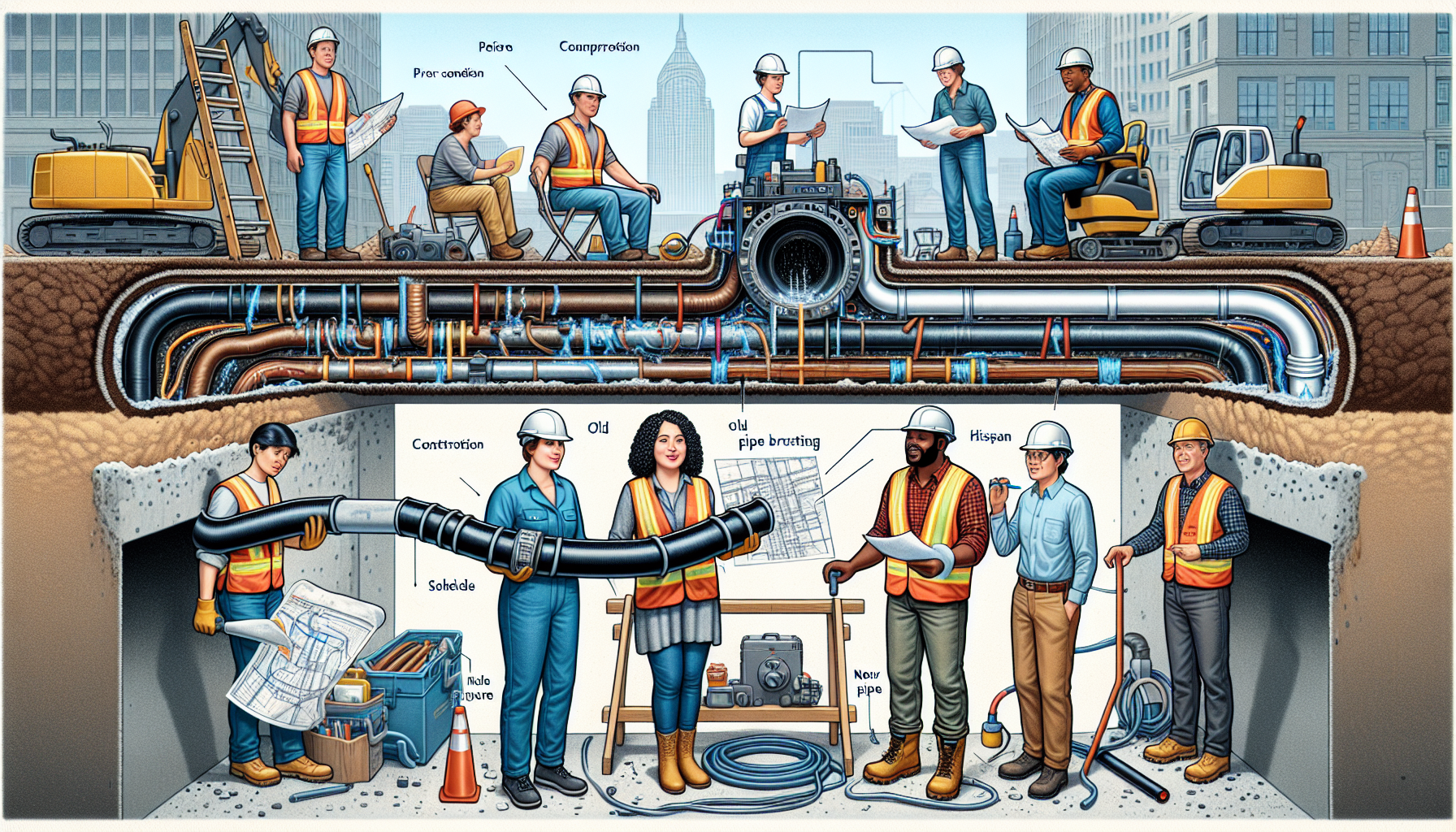
Trenchless sewer techniques refer to several methods used for repairing or replacing sewer lines without the necessity of extensive excavation. This approach is designed to minimize disruption to the landscape, road traffic, and daily life. Traditional methods require digging long, deep trenches to remove old pipes and install new ones, but trenchless technology allows for the work to be done with little surface disturbance. There are several trenchless methods, each suited for different situations and problems.
Common Trenchless Sewer Repair MethodsThere are two primary trenchless repair options frequently used in the industry: pipe bursting and cured-in-place pipe (CIPP).
Pipe Bursting: This method involves breaking apart the old, damaged pipe while simultaneously pulling a new pipe into place behind it. A bursting head, which is larger than the existing pipe, is pulled through the old pipe. This effectively fractures the old material outward while a new pipe, attached to the back of the bursting head, replaces the old one.
Cured-in-Place Pipe (CIPP): CIPP is a method where a felt liner soaked in a resin solution is inserted into the existing pipe. The liner is expanded and then cured—often using heat or UV light—forming a new pipe within the old one. This new pipe is seamless and corrosion-resistant, which can extend the life of the sewer line significantly.
Advantages of Trenchless TechnologyThe advantages of trenchless sewer repair techniques are numerous. Here are a few key benefits:
Less Intrusive: Since trenchless methods don’t require large trenches, they preserve landscaping, driveways, and sidewalks, saving homeowners and cities considerable restoration costs.
Cost-Effective: With less disruption and damage to surrounding areas, the overall costs of the trenchless method are often lower than traditional excavation costs, especially when considering the long-term restoration expenses.
Faster: Trenchless repairs are typically completed more quickly than traditional methods, which means less inconvenience for homeowners and the public.
Safer: Trenchless repairs are safer for workers and the public as they minimize exposure to potential hazards associated with open trenches and construction zones.
Considerations and LimitationsWhile trenchless technologies offer numerous benefits, they are not without their limitations and should be considered on a case-by-case basis.
Pipe Condition: Severely collapsed or misaligned pipes may not be candidates for certain trenchless repairs. A thorough inspection is necessary to determine the suitability of the pipe for trenchless methods.
Regulatory Restrictions: Some municipalities may have restrictions on trenchless technologies, especially if there is concern about the potential impact on other underground utilities.
Cost Variations: Initial costs might be higher than traditional methods in some cases, particularly for CIPP, due to the specialized materials and equipment required.
The Future of Trenchless Sewer TechniquesThe future of trenchless technology is bright as new innovations and techniques continue to be developed. Advancements in materials and equipment are making these methods more efficient and effective. As the industry grows, it is likely that the applications for trenchless repairs will expand, making it an even more valuable option for municipalities and property owners alike.
In conclusion, the intricacies of trenchless sewer techniques offer a compelling alternative to traditional methods of repair and replacement. With evolving technology and an increasing focus on minimizing environmental disruption and costs, trenchless repairs are poised to become the go-to option for modern sewer maintenance and rehabilitation.